




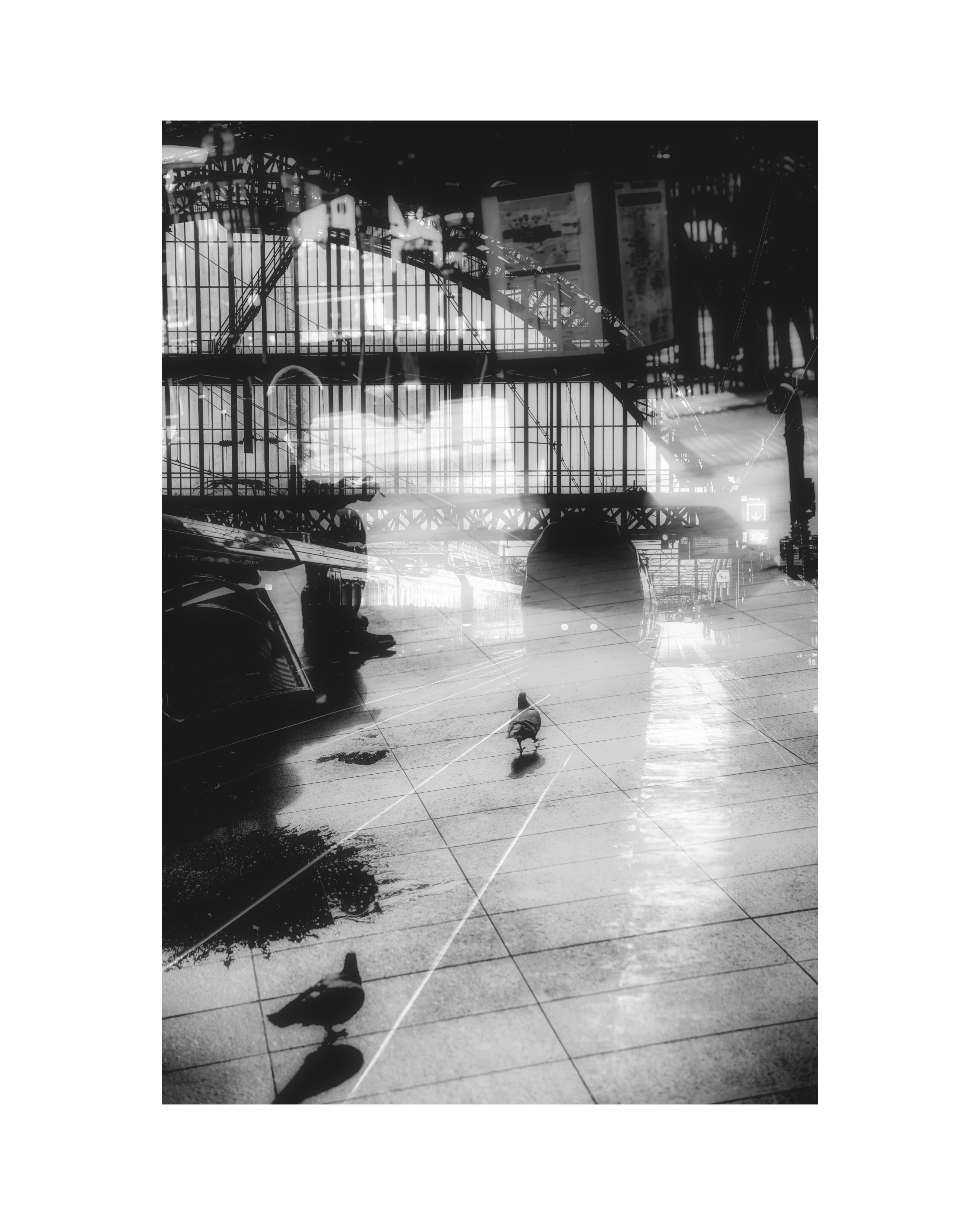
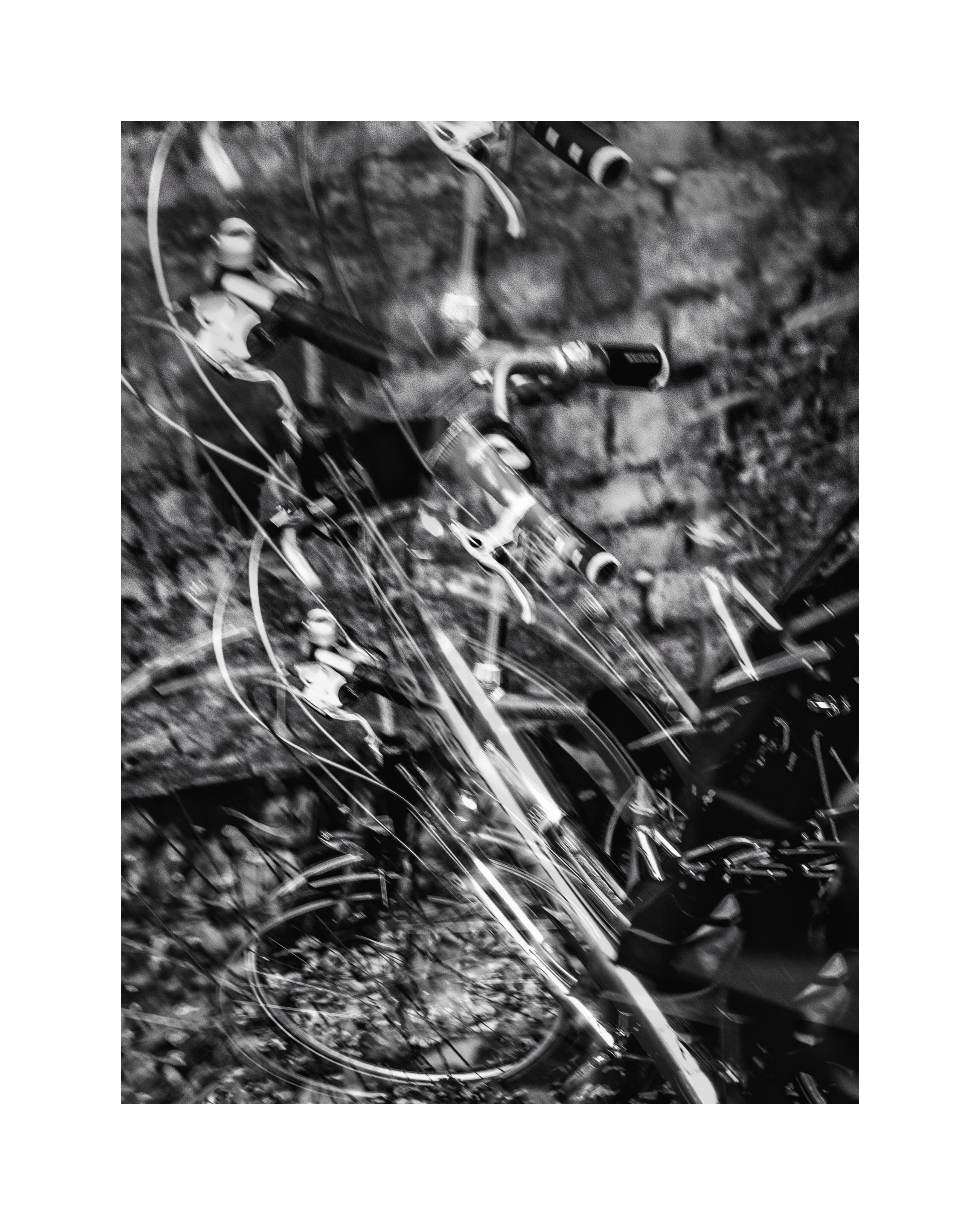
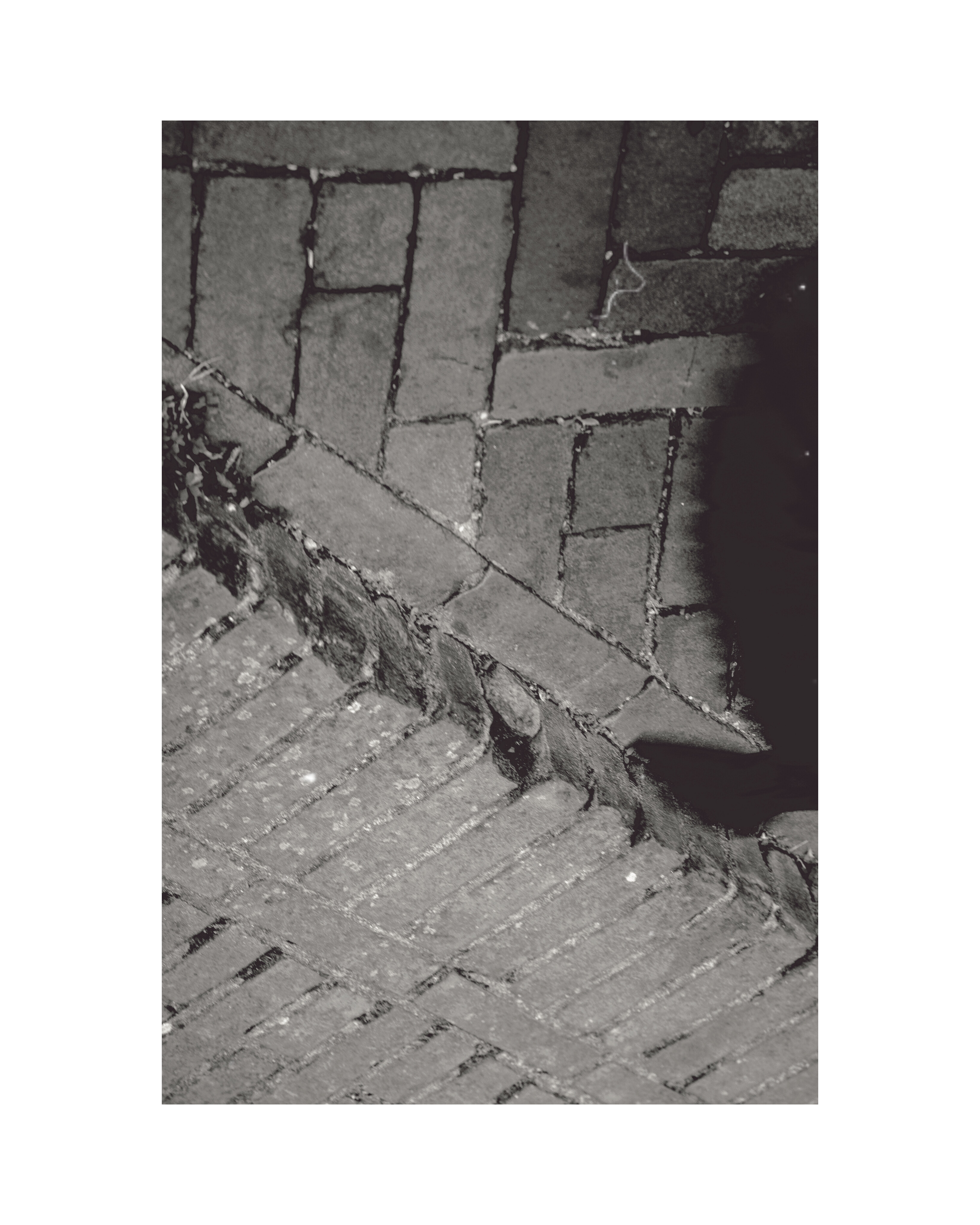
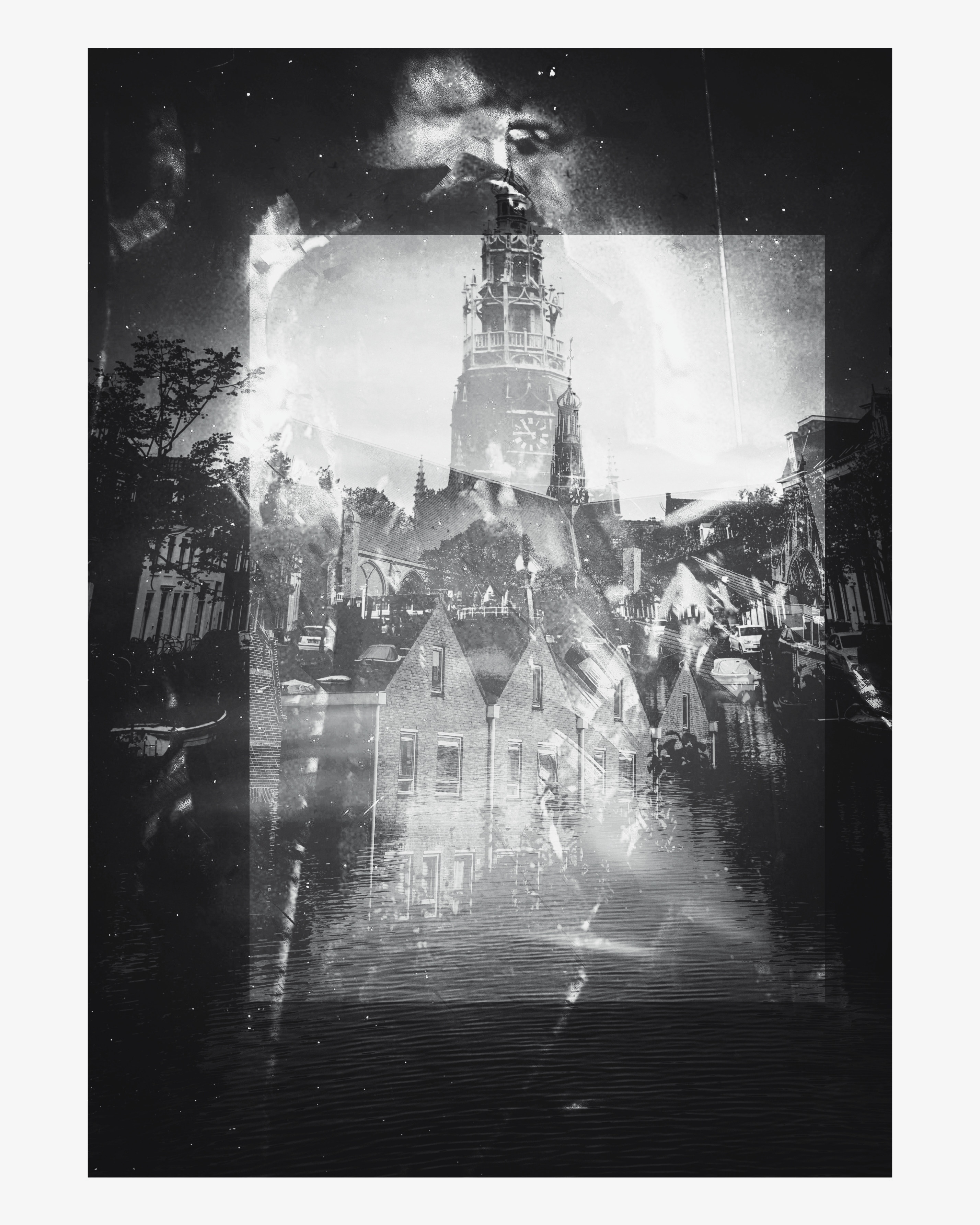
Overview
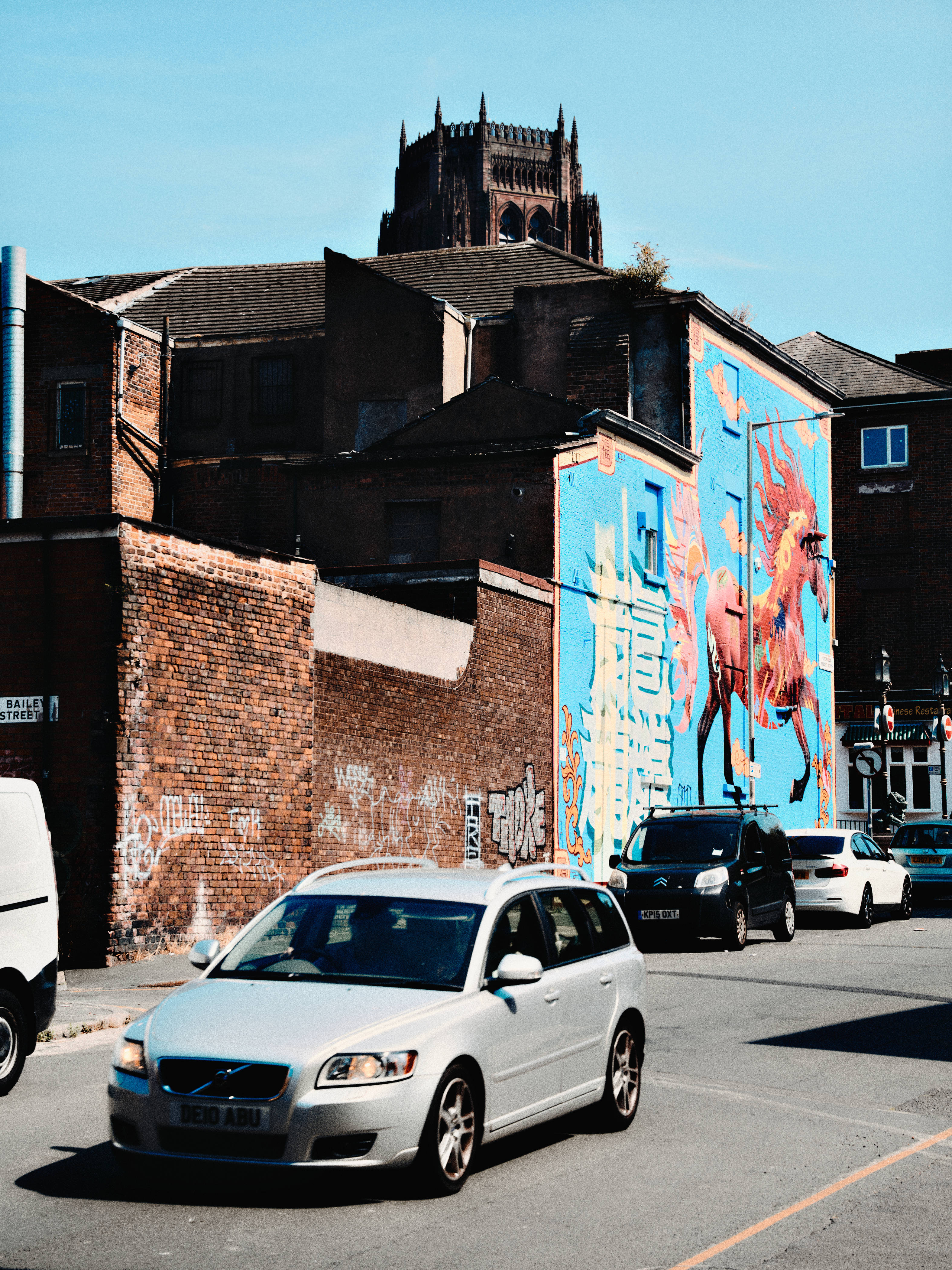
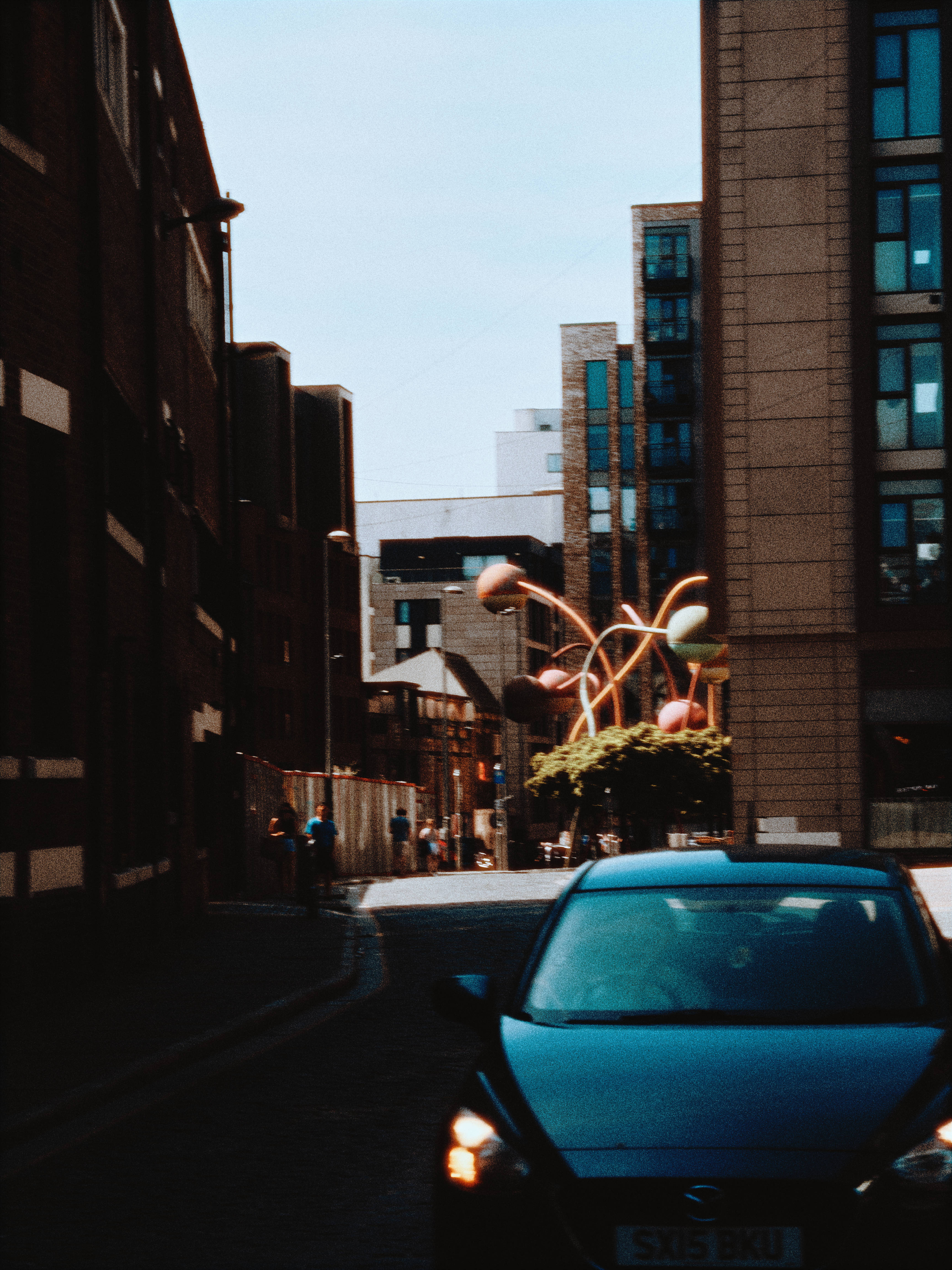
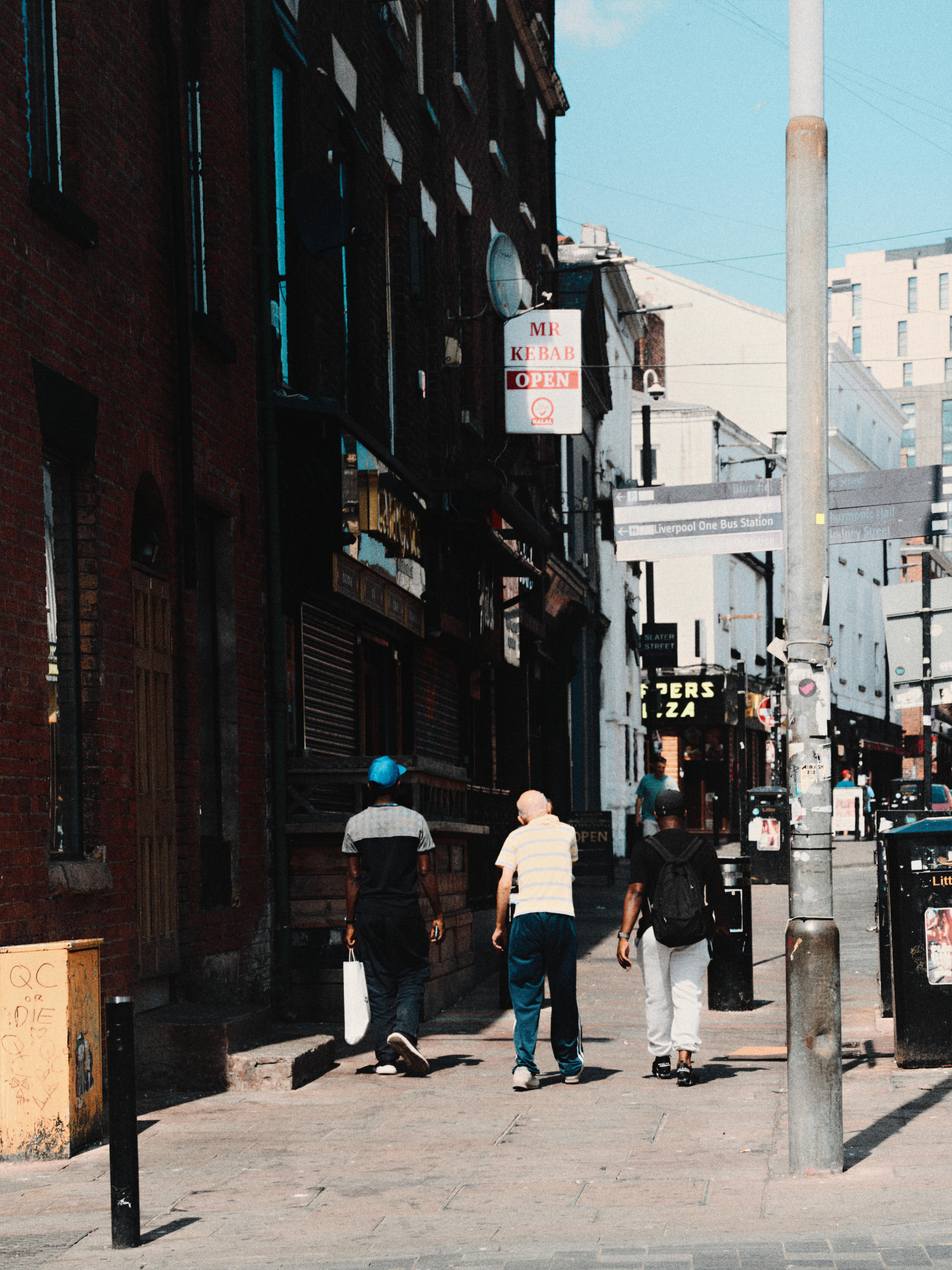
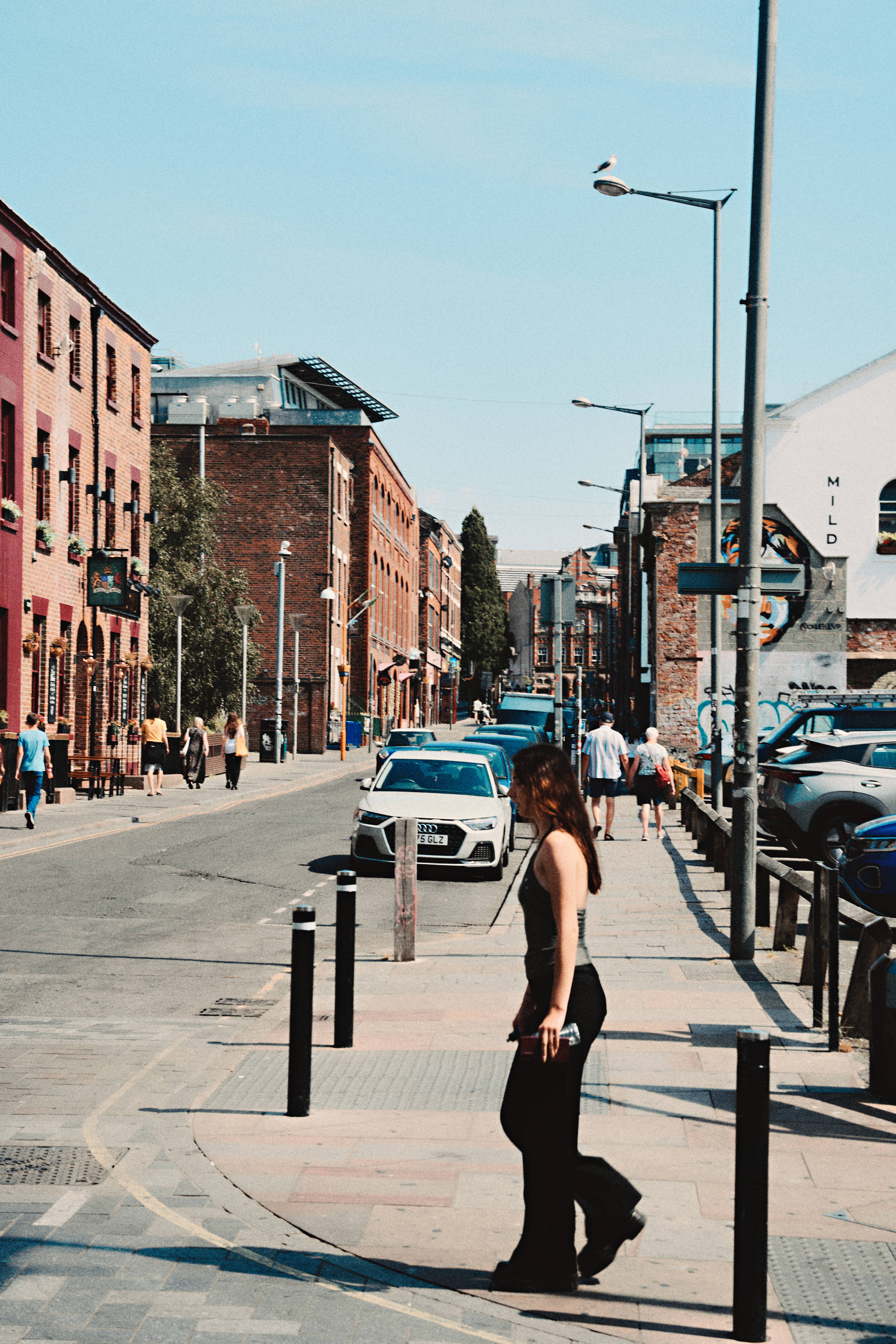
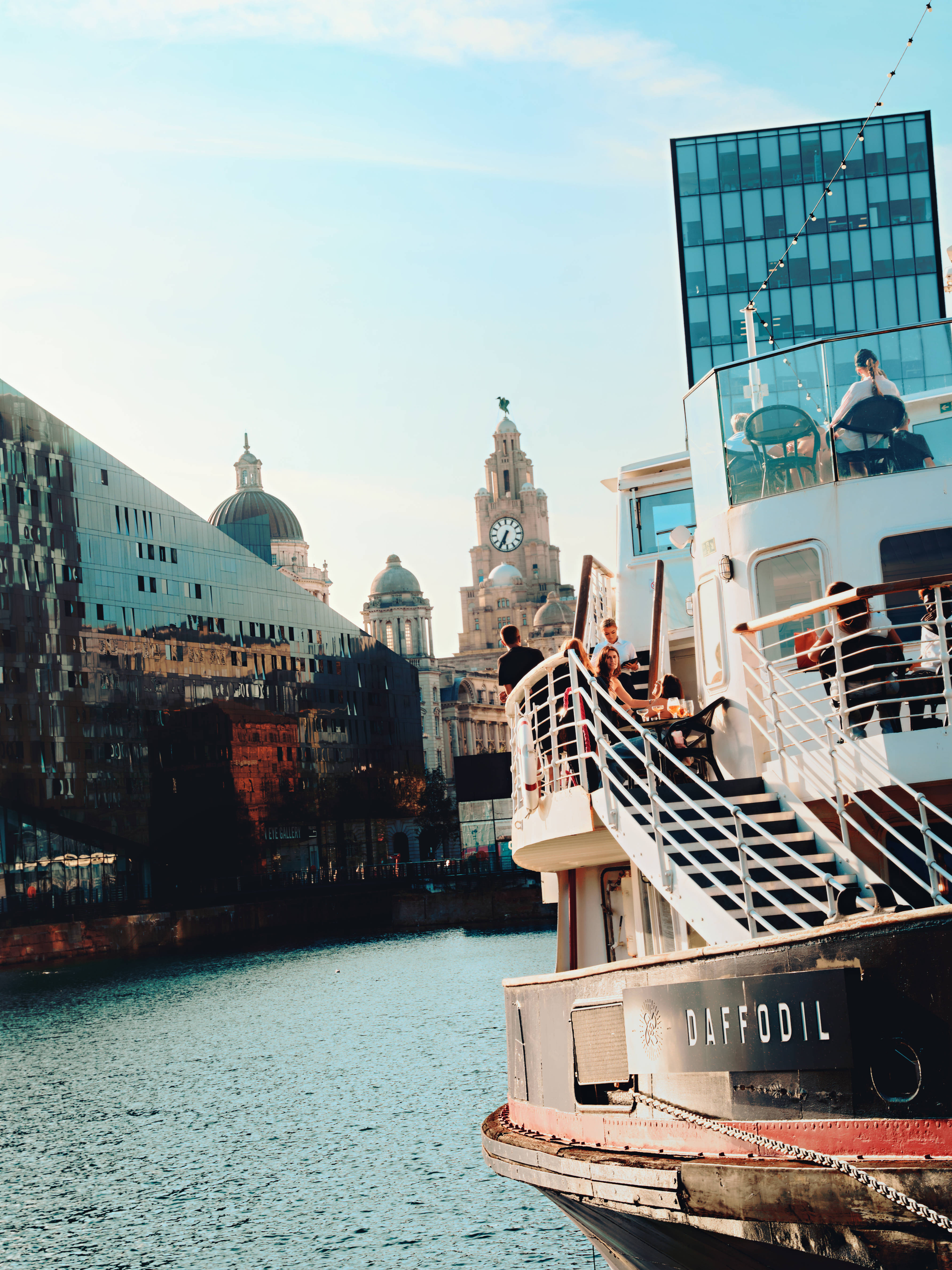
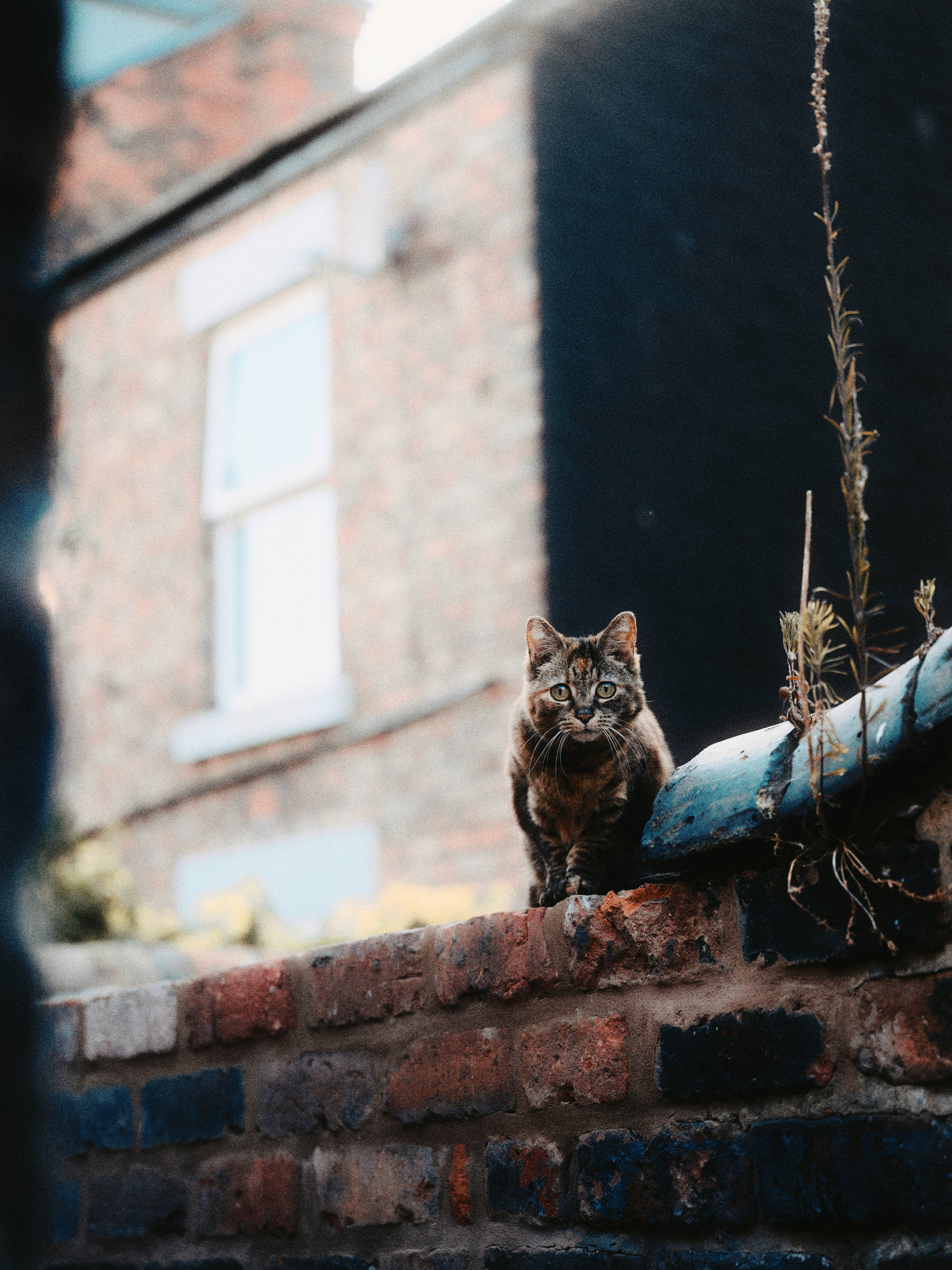
A technical case study & notes on an evolving philosophy.
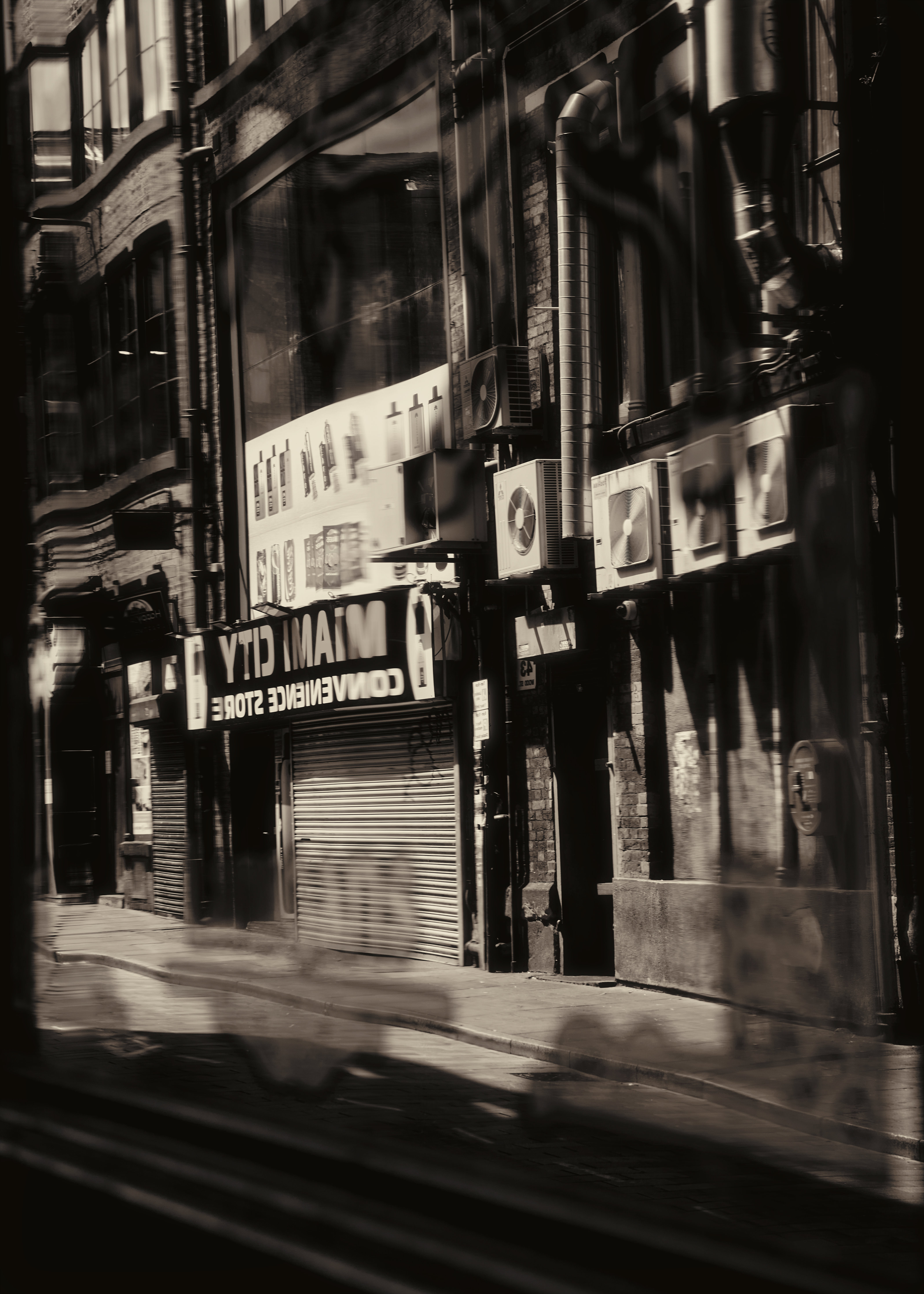
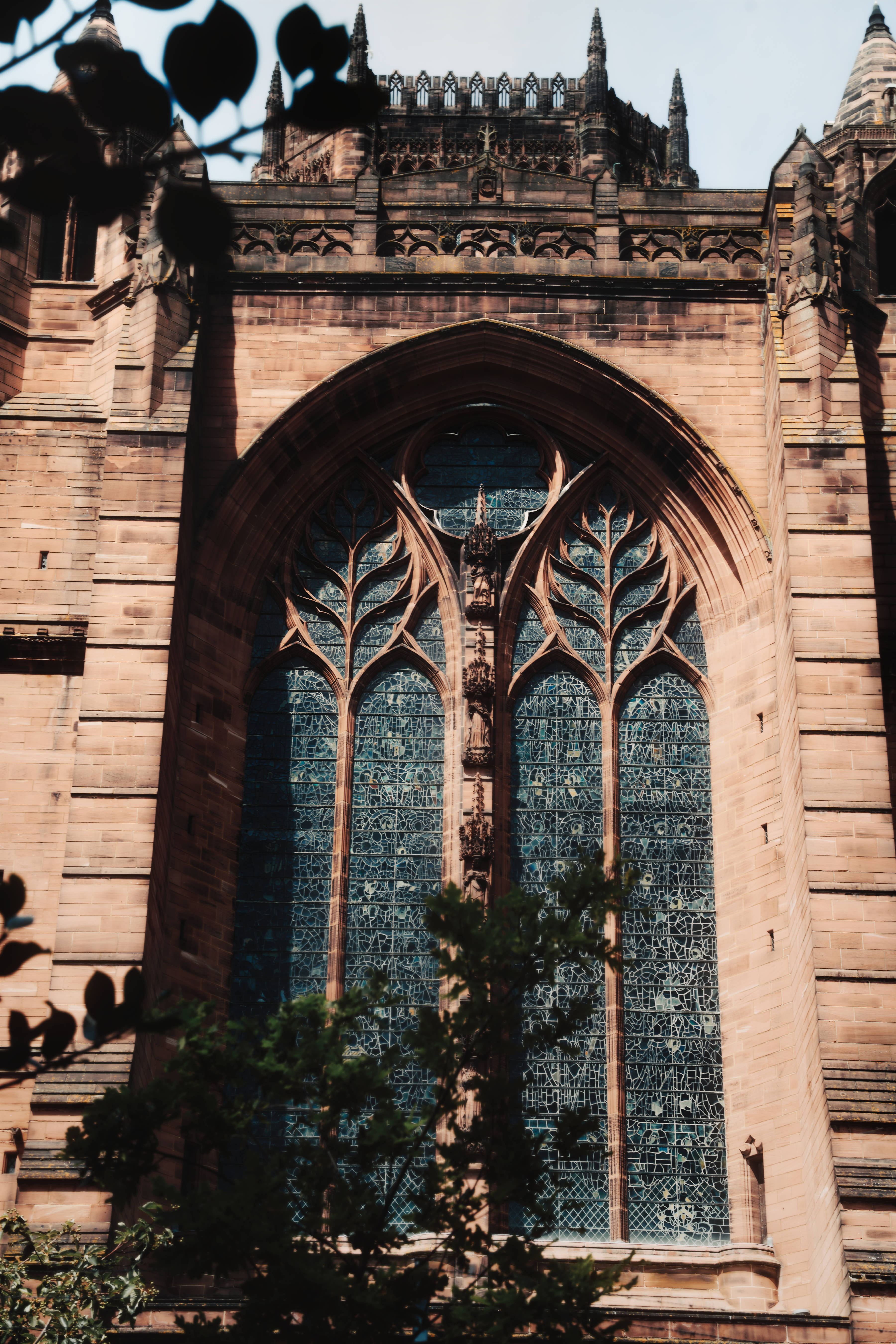
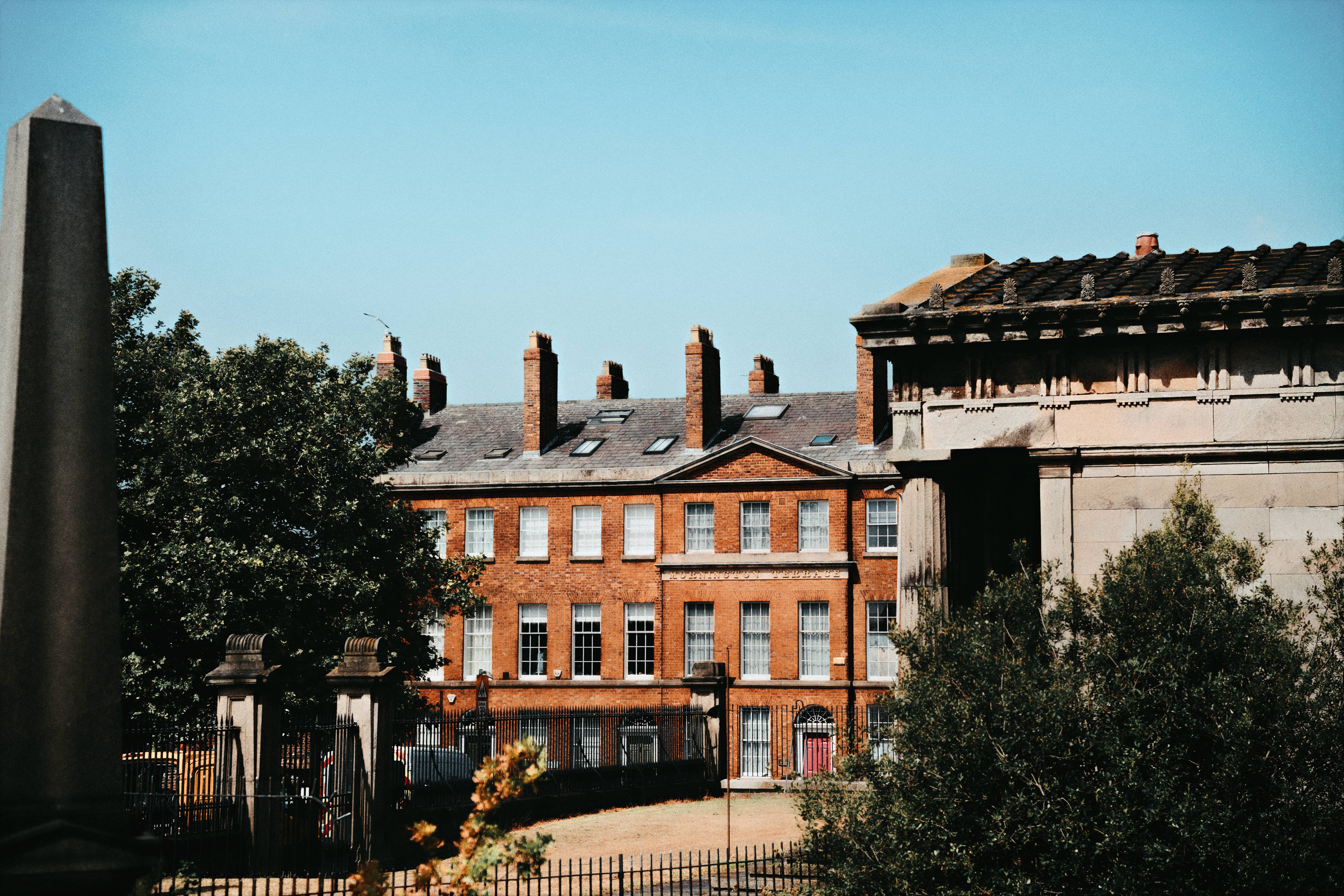
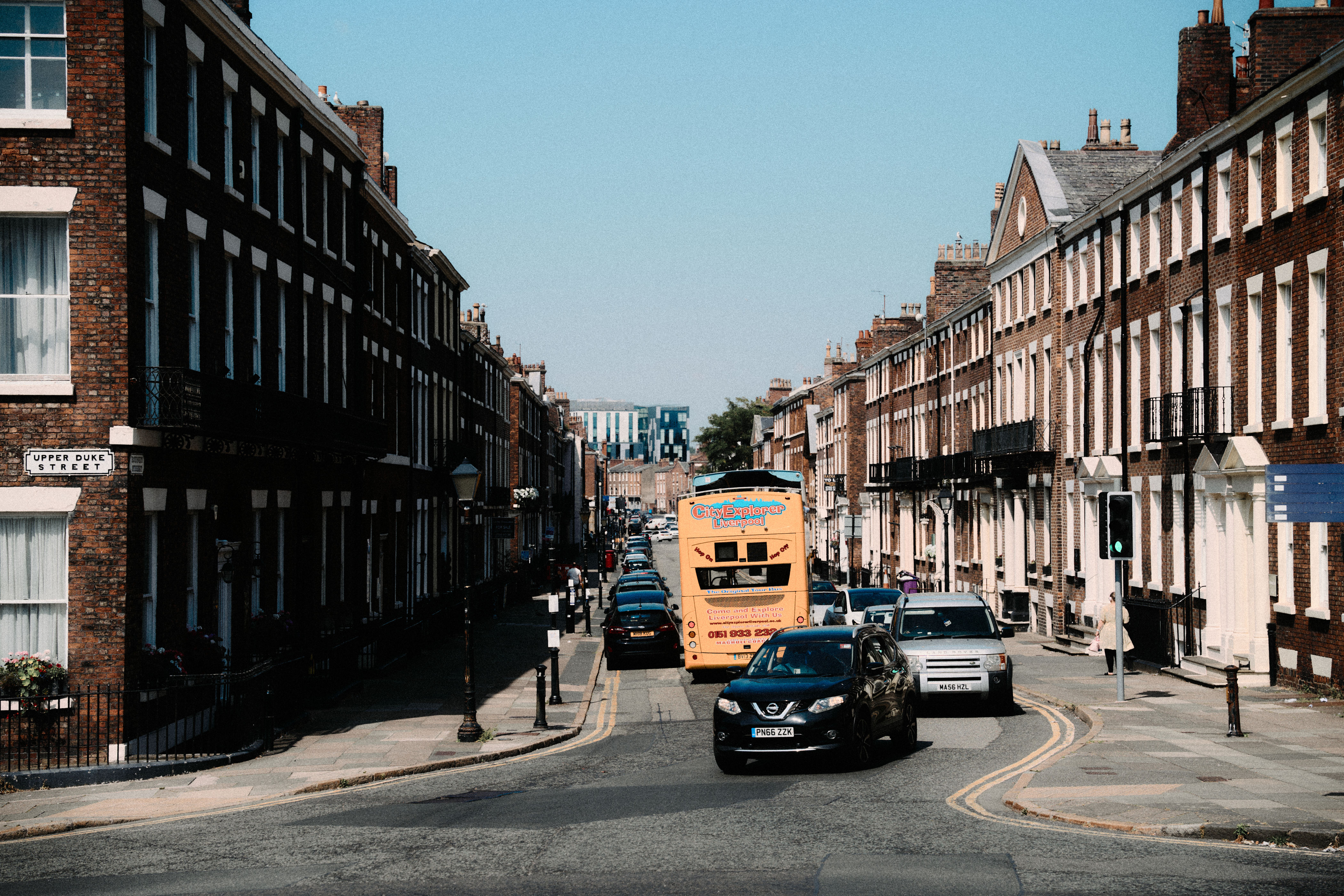
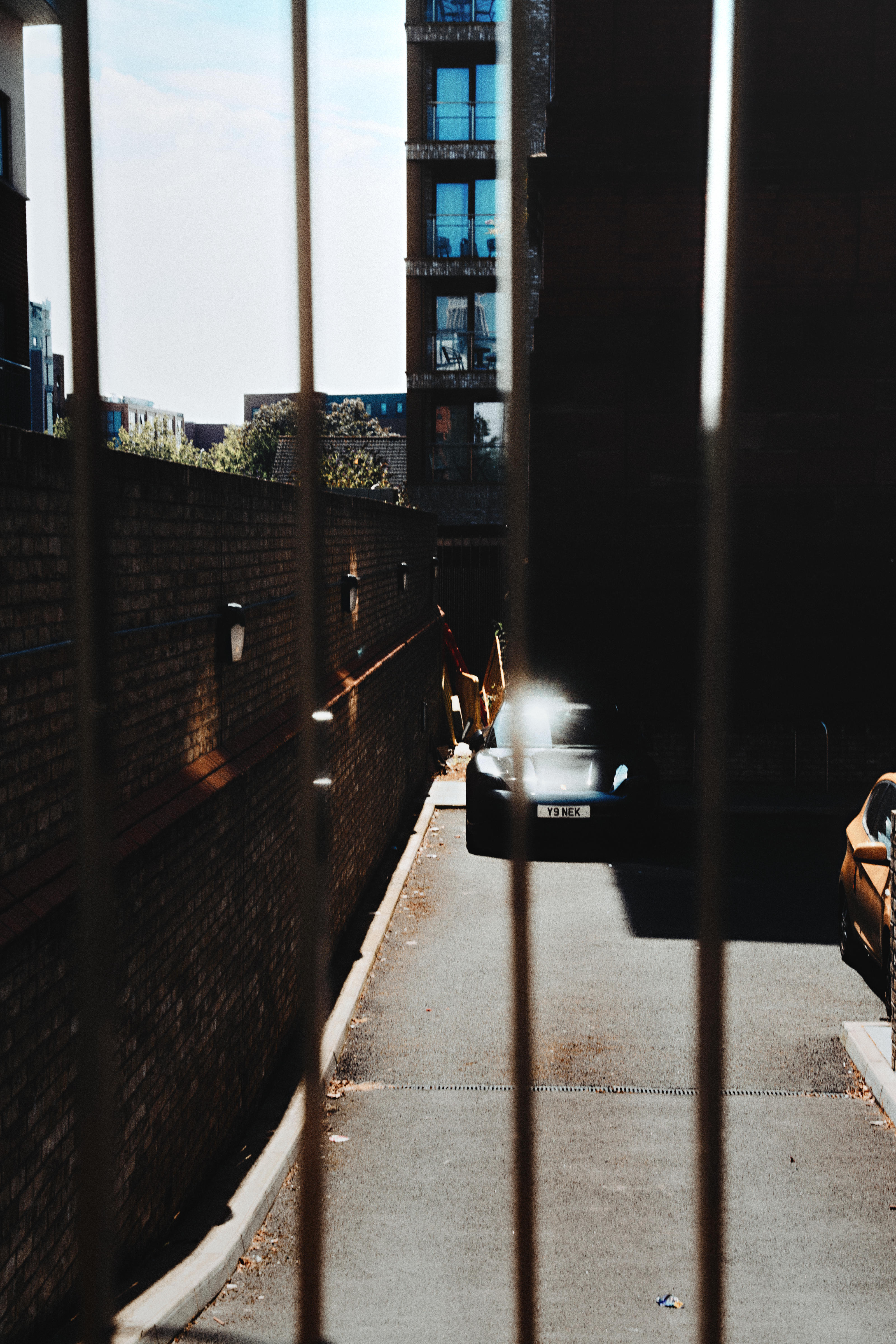
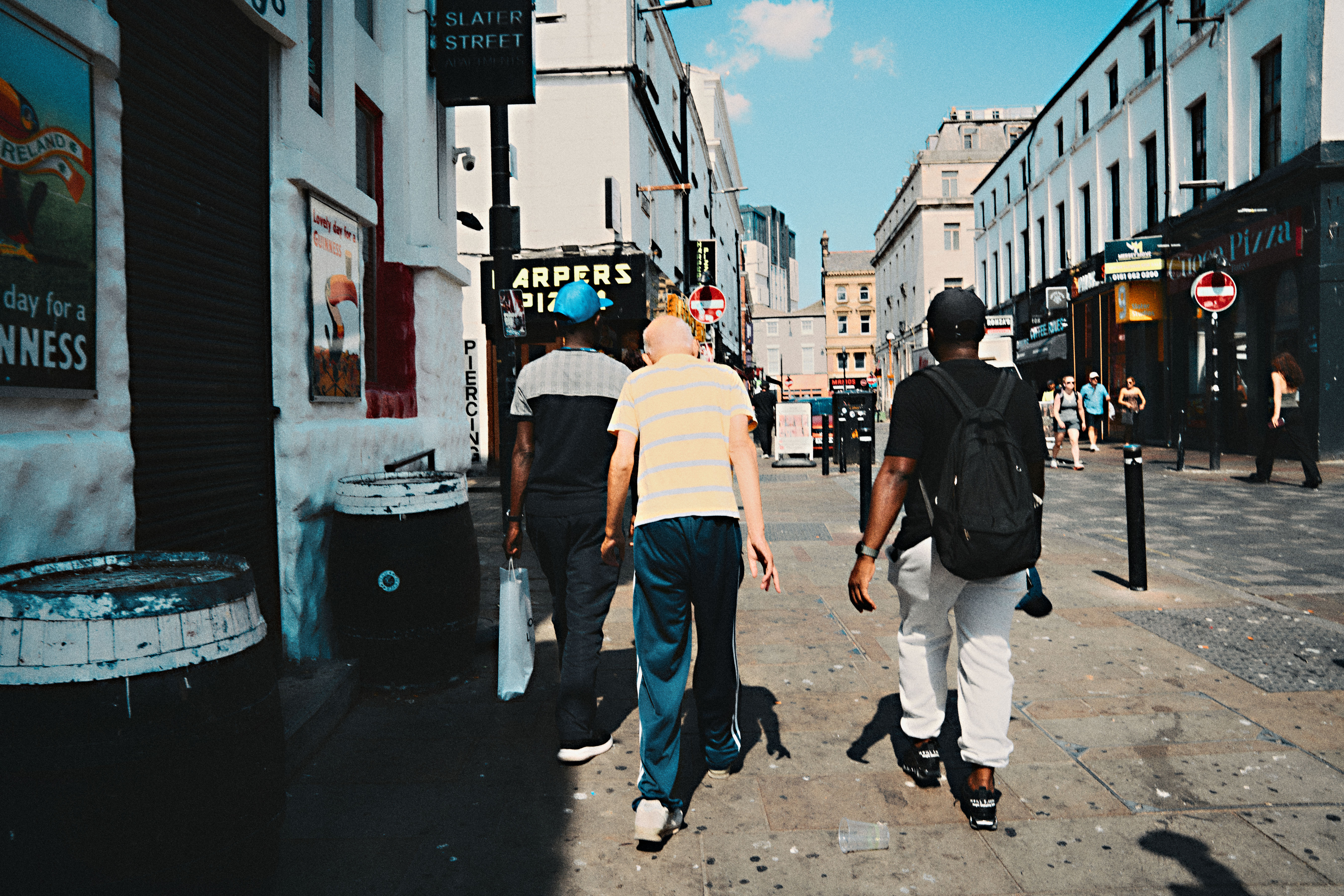
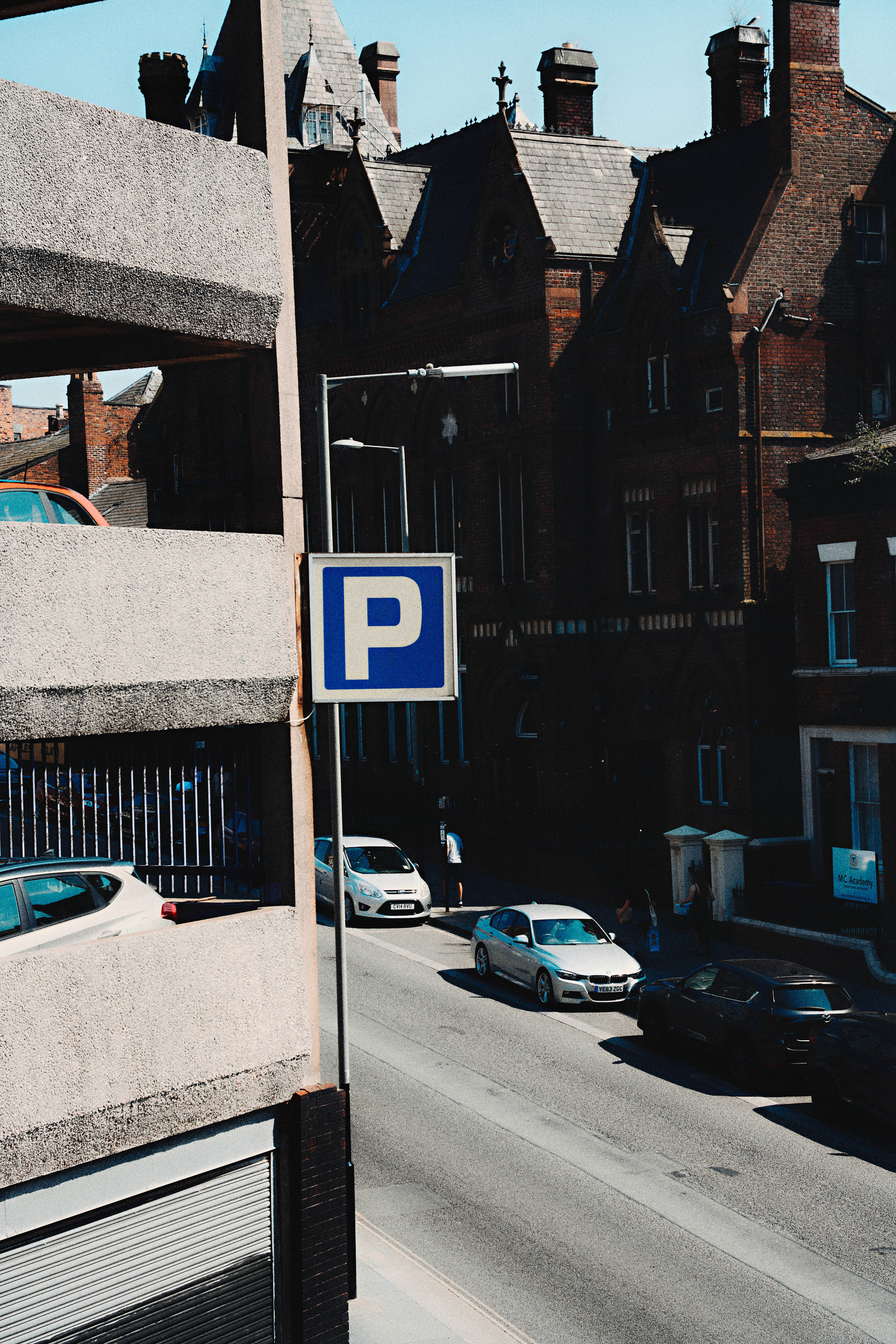
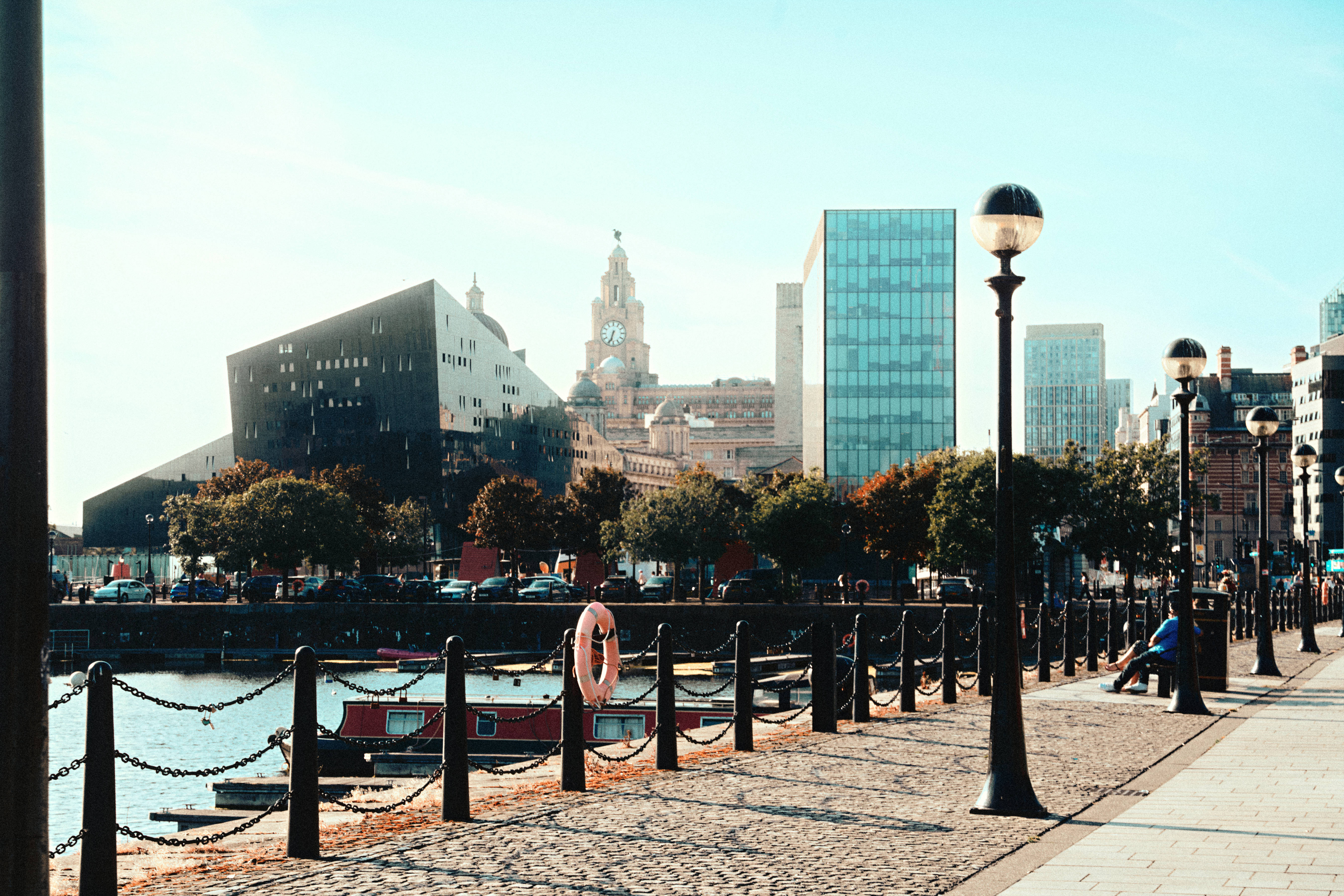
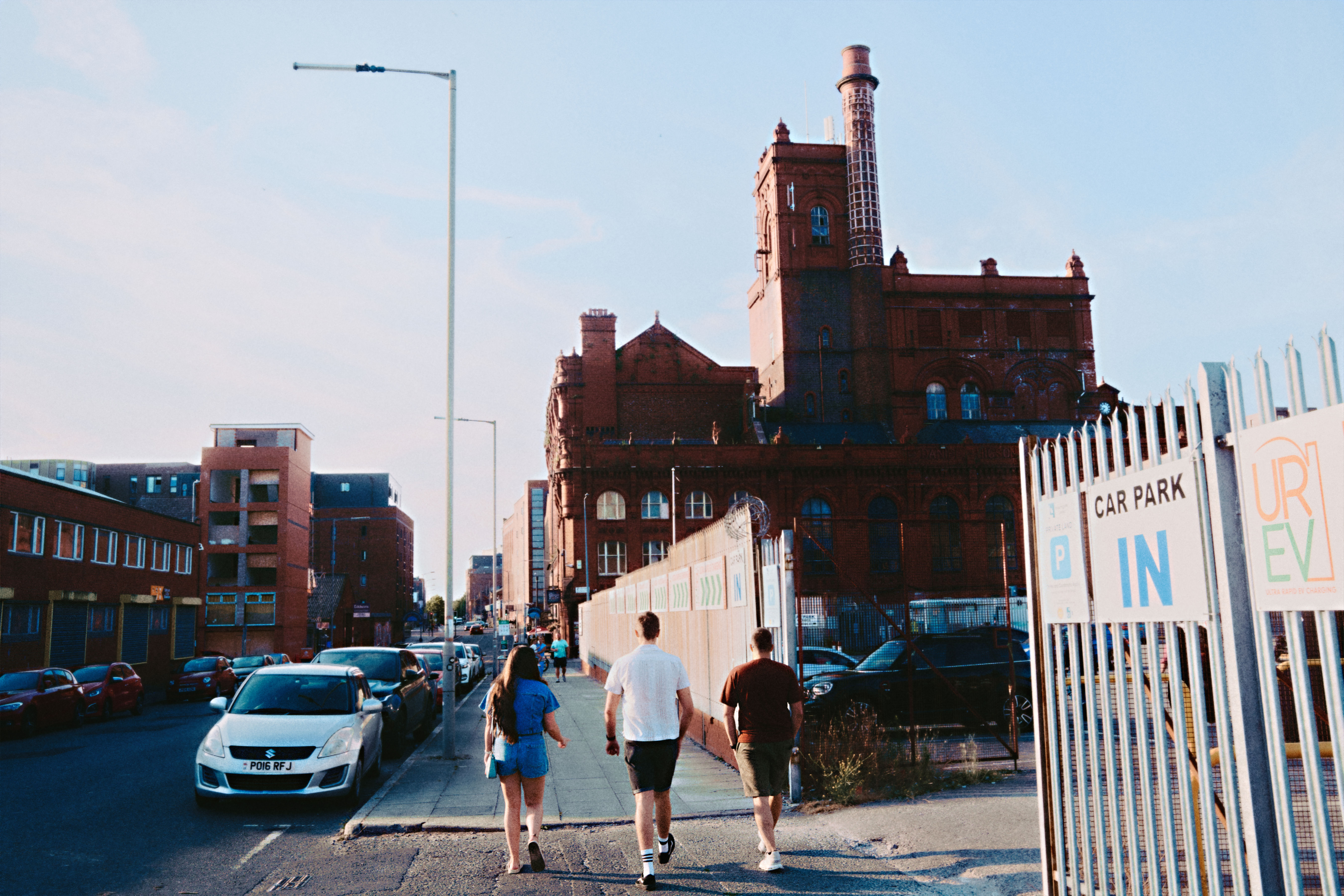
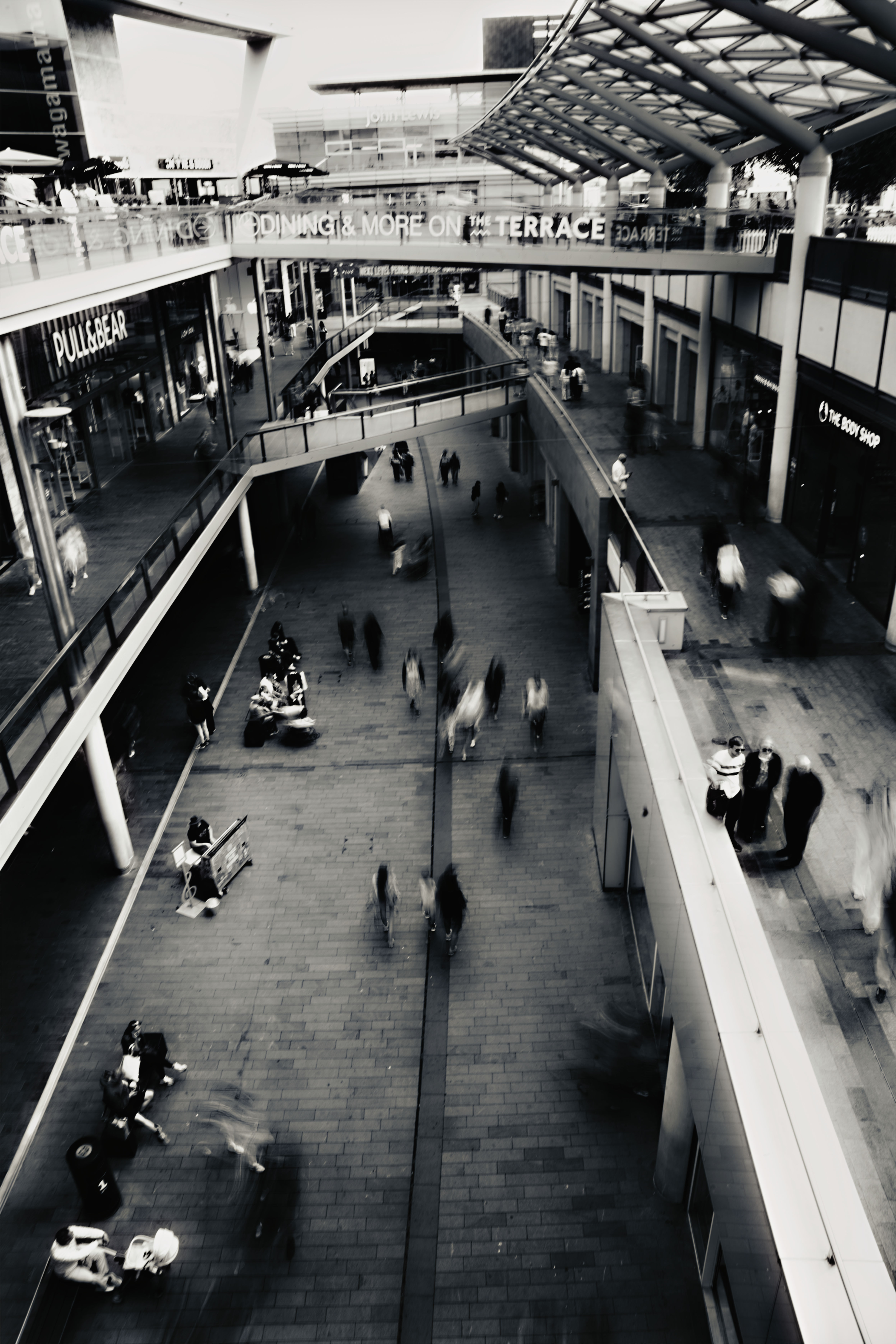
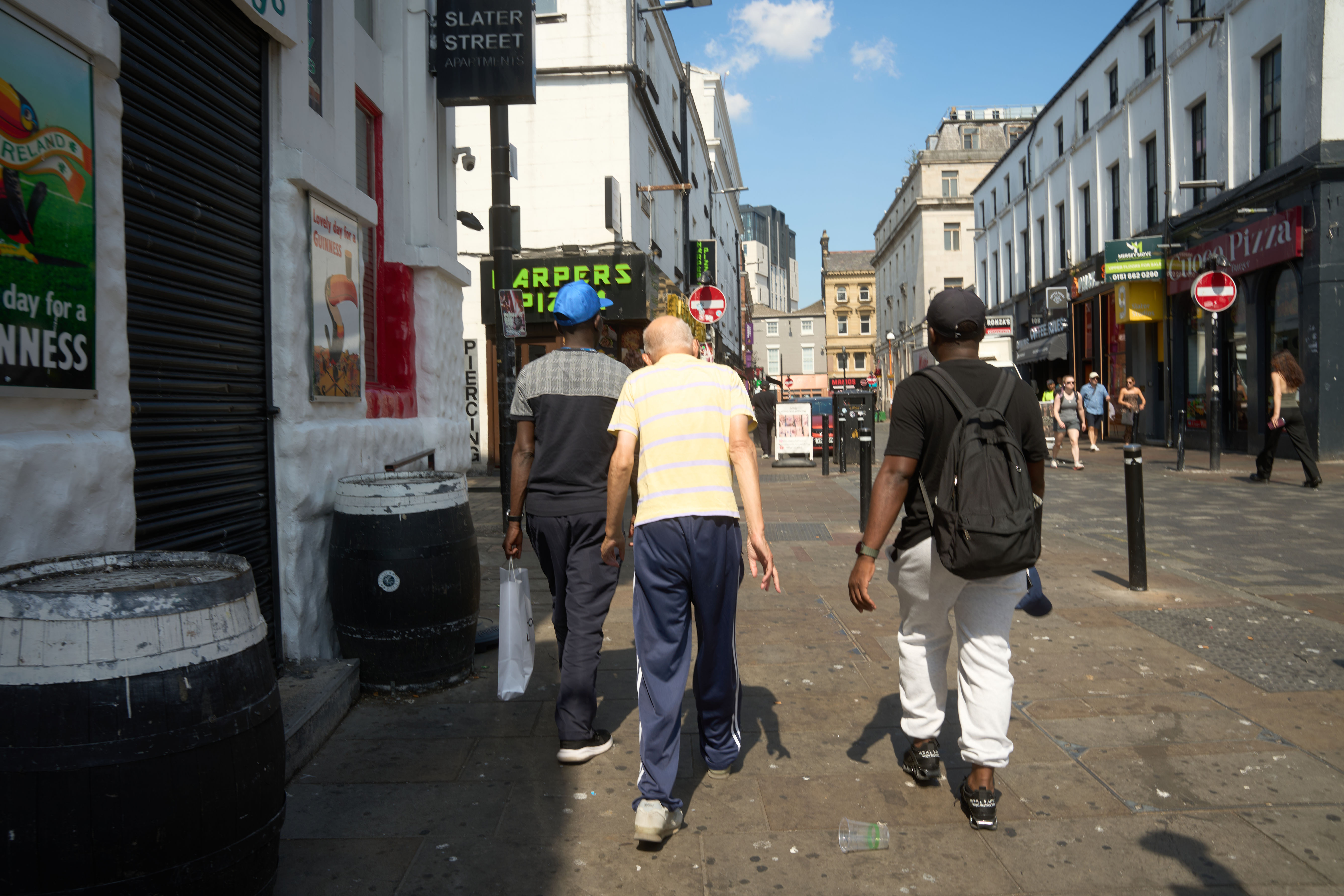
Over three days in July 2026, I set out to shoot Liverpool exactly as I found it. An exercise in a new approach and philosophy. With few exceptions, the aim was to shoot within the bracket of f/7-11. The assignment was a technical and philosophical attunement, without the pressure of producing high art. I would shoot what I felt compelled to shoot in a heartbeat, without questioning the instinct. When I walk streets, I do not stop and wait in set locations for something to materialise, for the simple reason that this brings attention to the one waiting, and that waiting looms large, more often than not, by suggestion, in the image.
You also notice the lack of any intrusive street work; I find it suspect. I walk continuously. Often I decline to stop even when I frame something. I shoot on pure looking and instinct. One day 20 good images may materialise, another, few to none, vis-à-vis nothing taking me. I have no qualms with this. Using a 24-70mm lens pairs healthily with this approach, as I often want to compress context on the fly.
Why f7-11? Because limitation creates adaptation. David Hume said ‘Reason is, and ought only to be the slave of the passions’ and I’d love to transmute that sentiment into ‘Aperture is the slave of the belief’ because today so much of photography is the obsession with subject isolation, often to a degree that the barrier to entry is, material cost aside, effectively nil, as the culture has metabolised low f into both a trance and a rulebook, such that environmental embedding is often overpowered in its favour. Of course, if we think about it, there is no organism without environment, and leaning the lens so far one way is to shave character, the summation of extrinsic complexity, down to the shape of an ear or a nose.
But, but… human beings’ being extends so much further; where one chooses to live or stand, or gaze; the glimmer of a glass panel a 100 yards away; it all distils into who you are, right here and now. I wanted, like Elagabalus wanted of his banquet, life to spill a little. I wanted to fit more into the frame than tradition, and my dusty past assertions would admit, and find it fitting. To me, that is skill, and to me there is no true pleasure without skill.
However, this turn of development, and its particulars, not that they are set in stone, is not a matter of only incidental whim, of simply swinging back and forth like an ever-undulating wave, washing a path against the grain of what I’ve done before. It is and must be a matter of perception, attenuation, adoration, devotion, of life, of loving seeing, of seeing loving seeing.
Where one goes in that chosen direction of subjectivity is not wholly arbitrary, because the development of a style, by definition, is what carries through; it is the opinion that stays, it is a locus you can’t reduce, when the childlike phase of uncertainty, expansion, play, hurt, exploration, finally hears the bell that signifies bringing in the harvest.
We say “to grow UP”, but UP is to put away the toys on the ground, to choose one door, and all the comes with it on the other side, to make a world of one thing to the exclusion of most others, and to make it deliberate, to see it for what it is; and what may seem at any second, coincidence, is on reflection unavoidable; to groove into, to worm down and down and down to the only channel that energy wants to go, the exact garden path the eye has led you, to know, inexorably, by doubt and by trial and by confrontation, what you love.
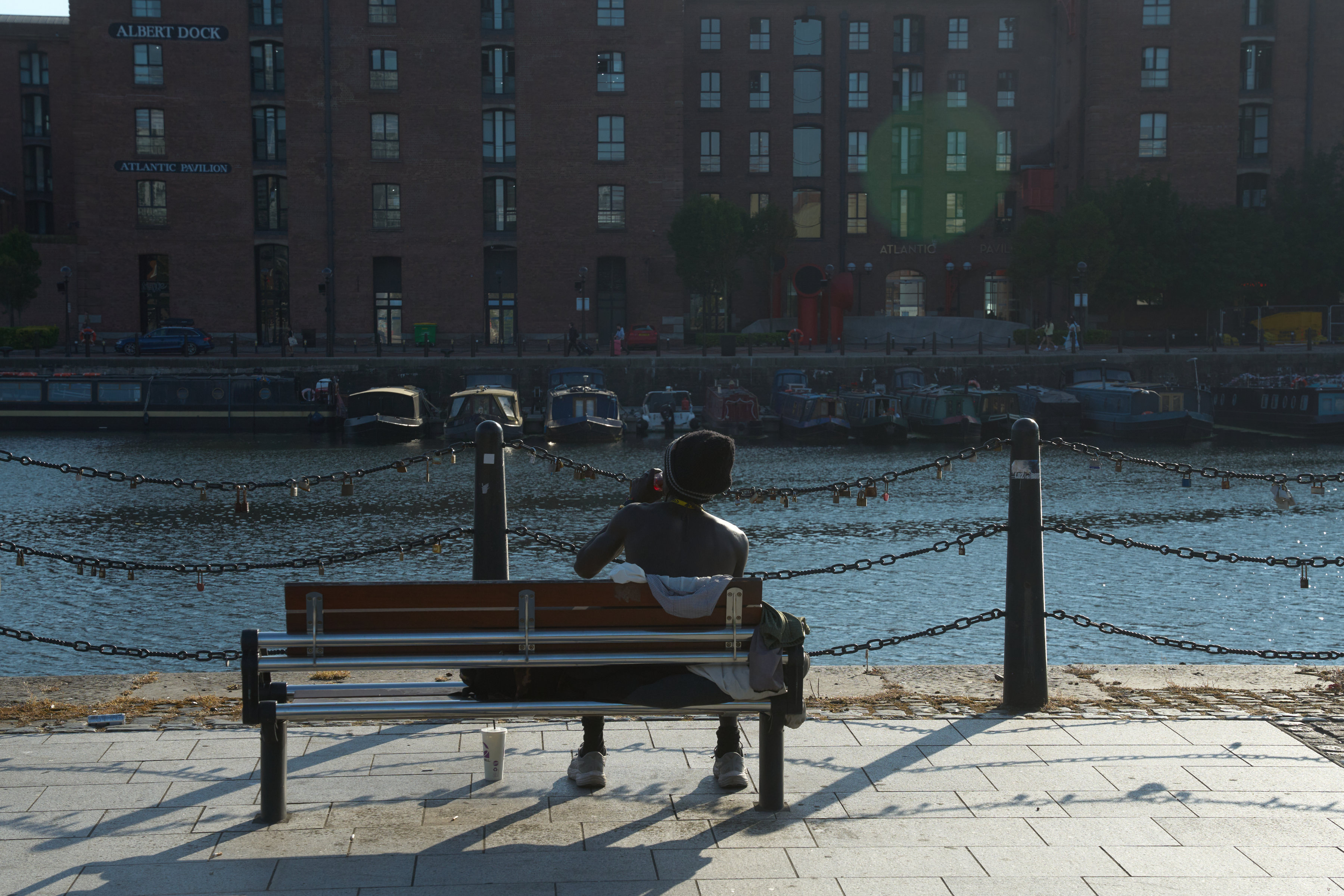
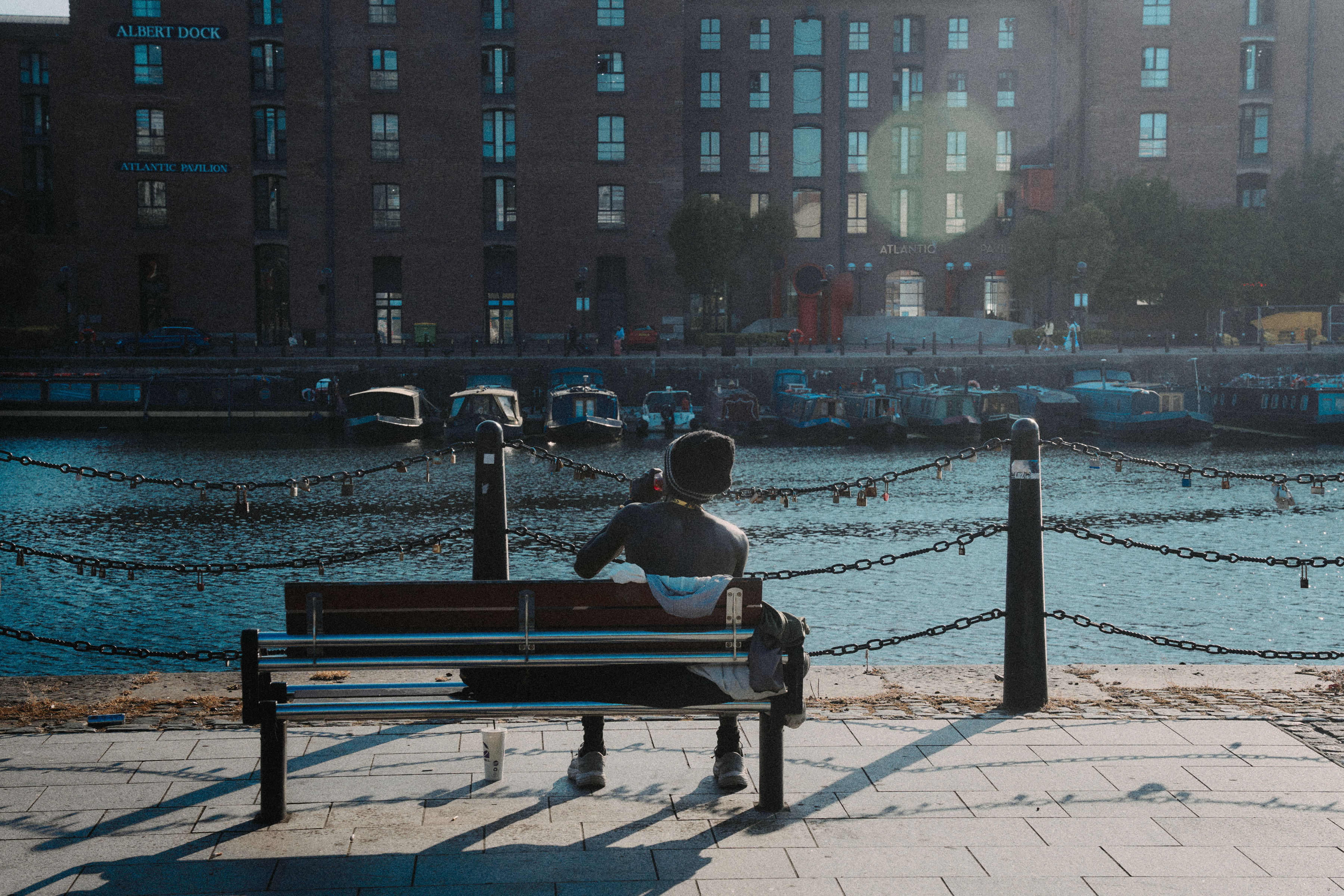
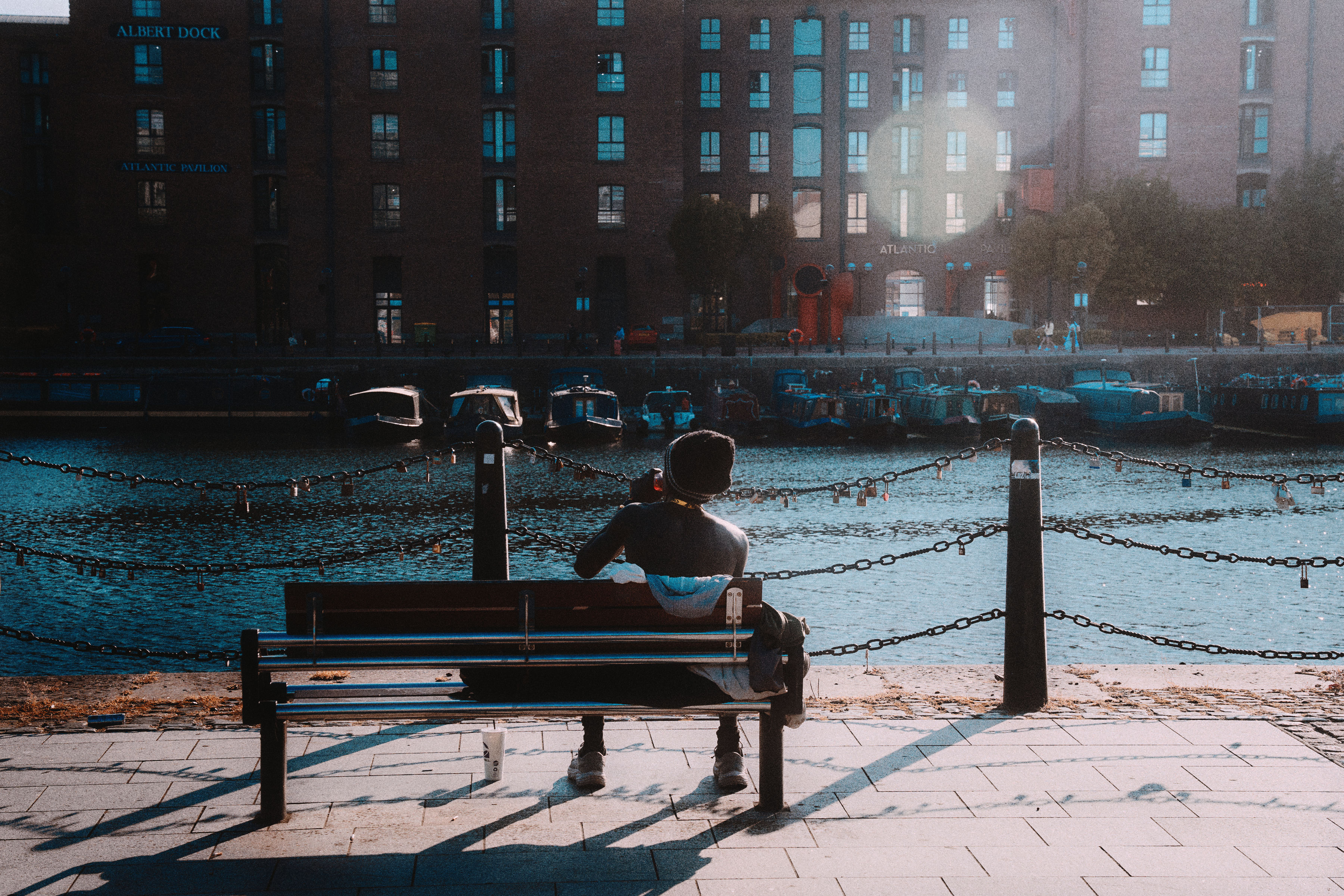
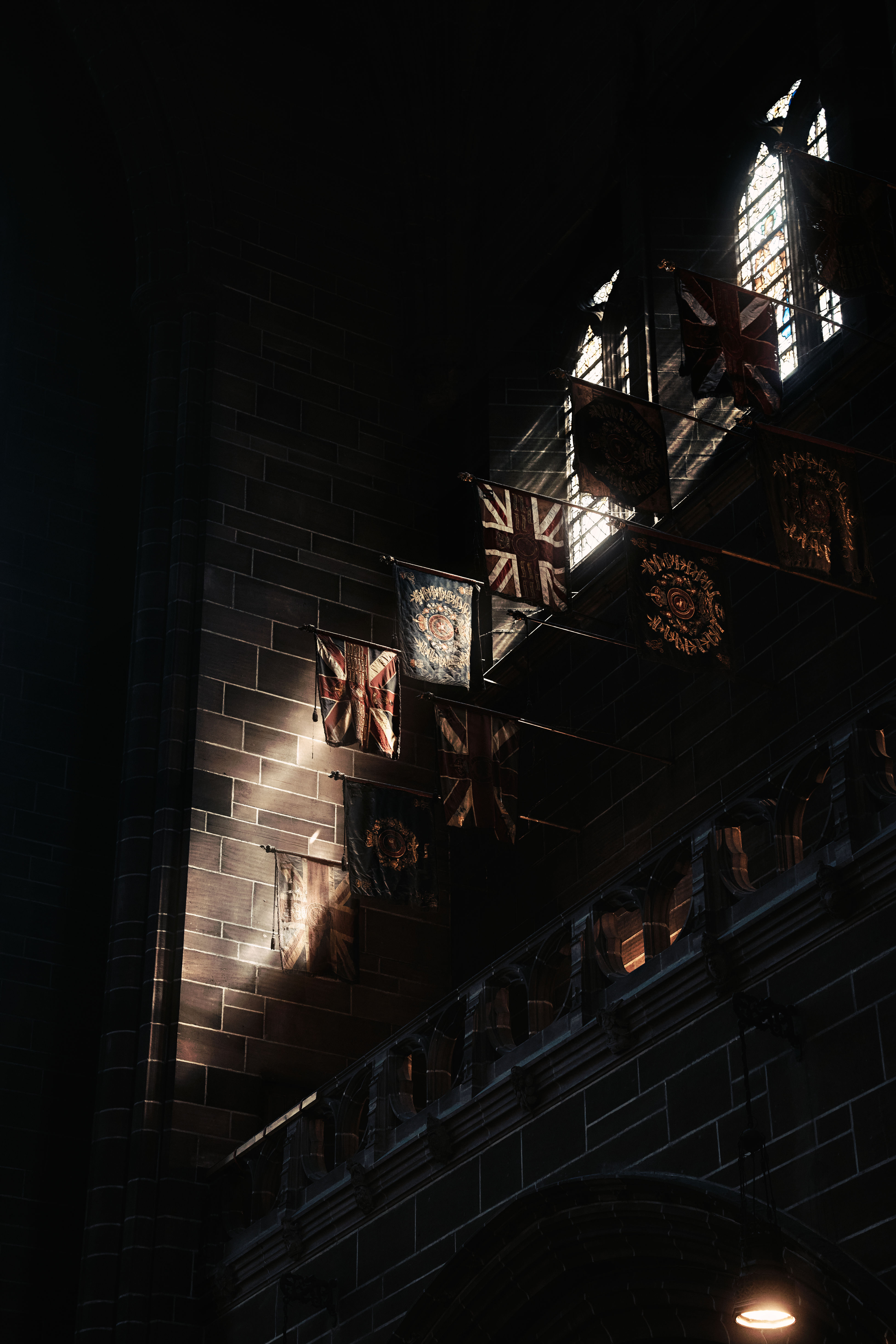
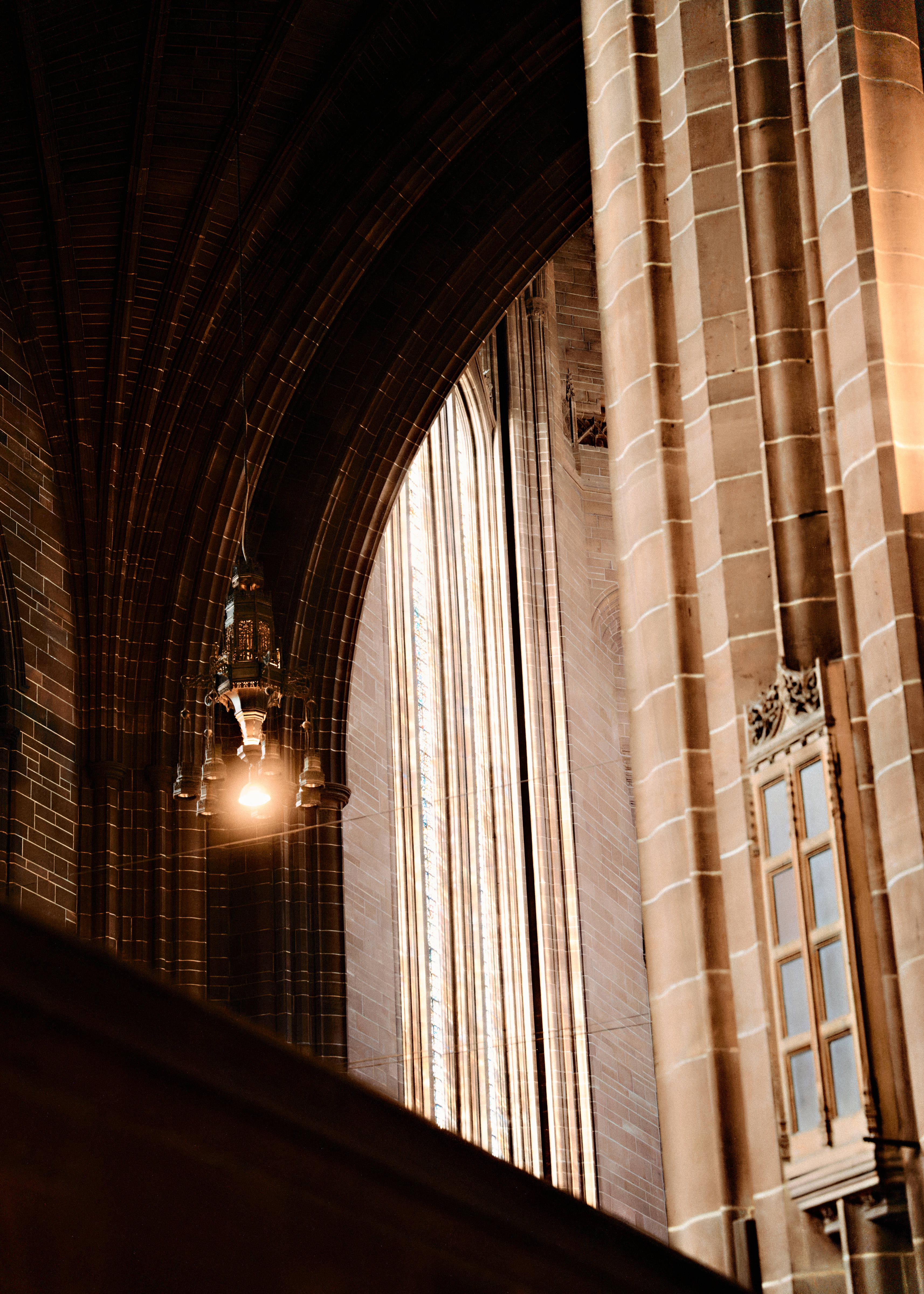
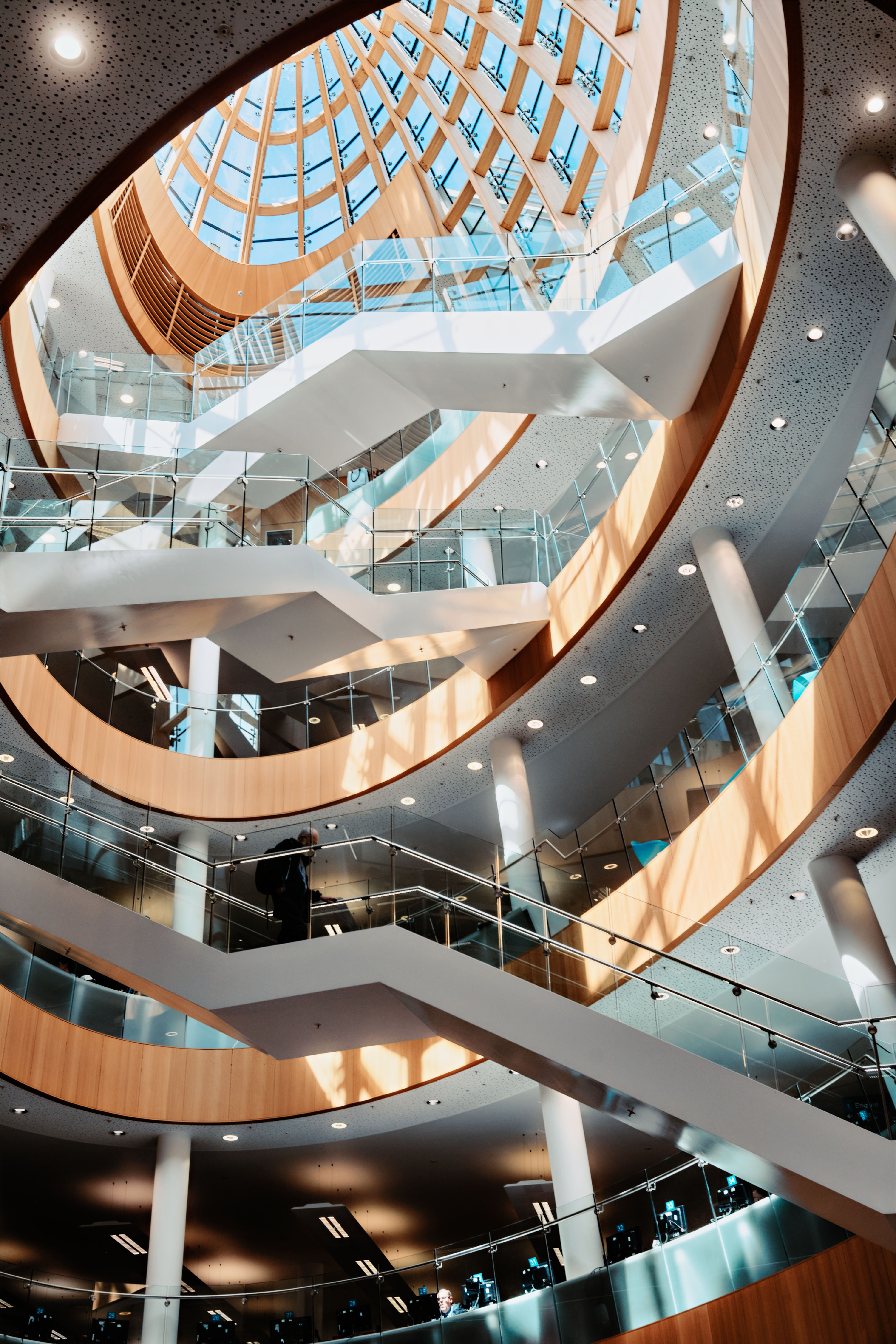
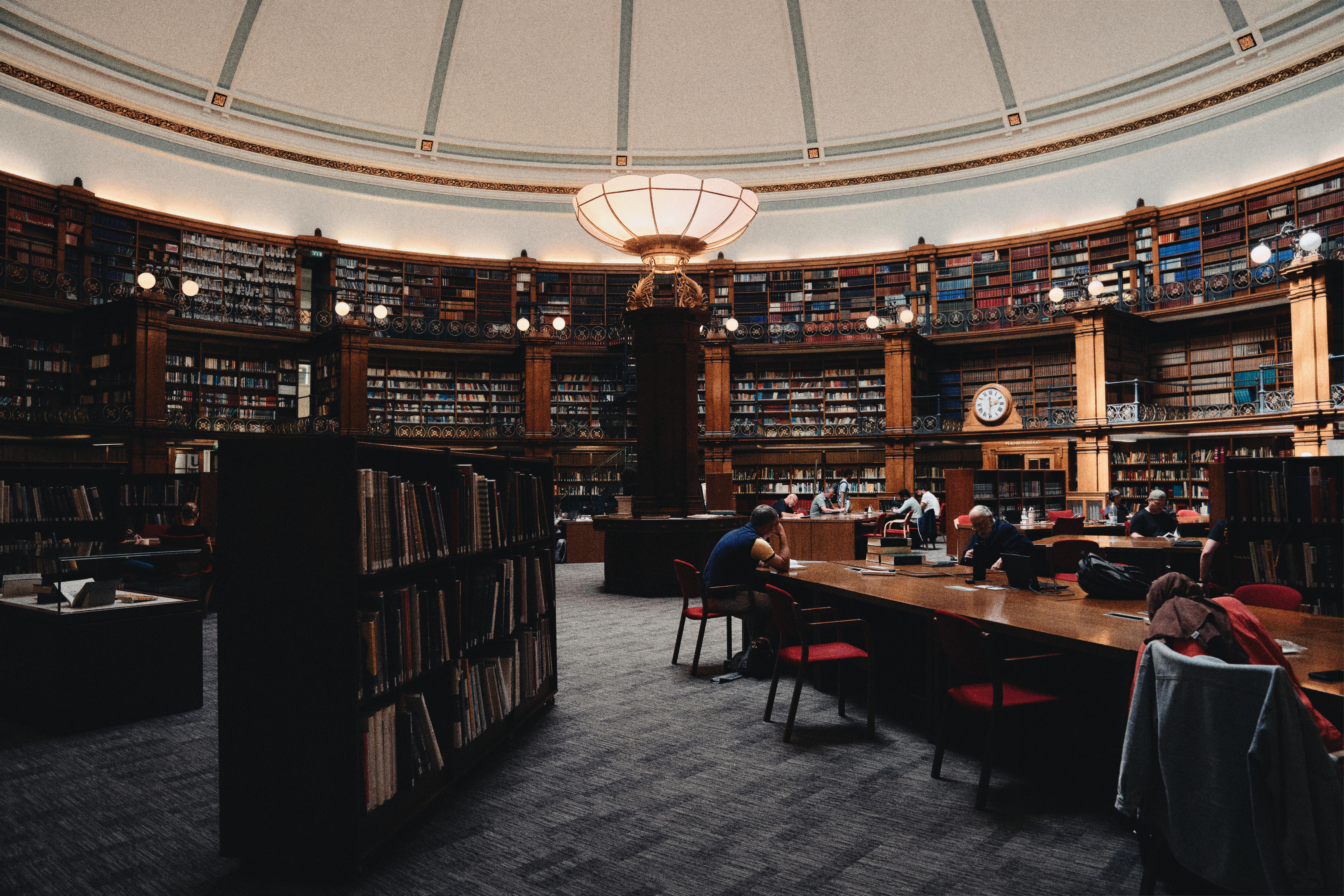
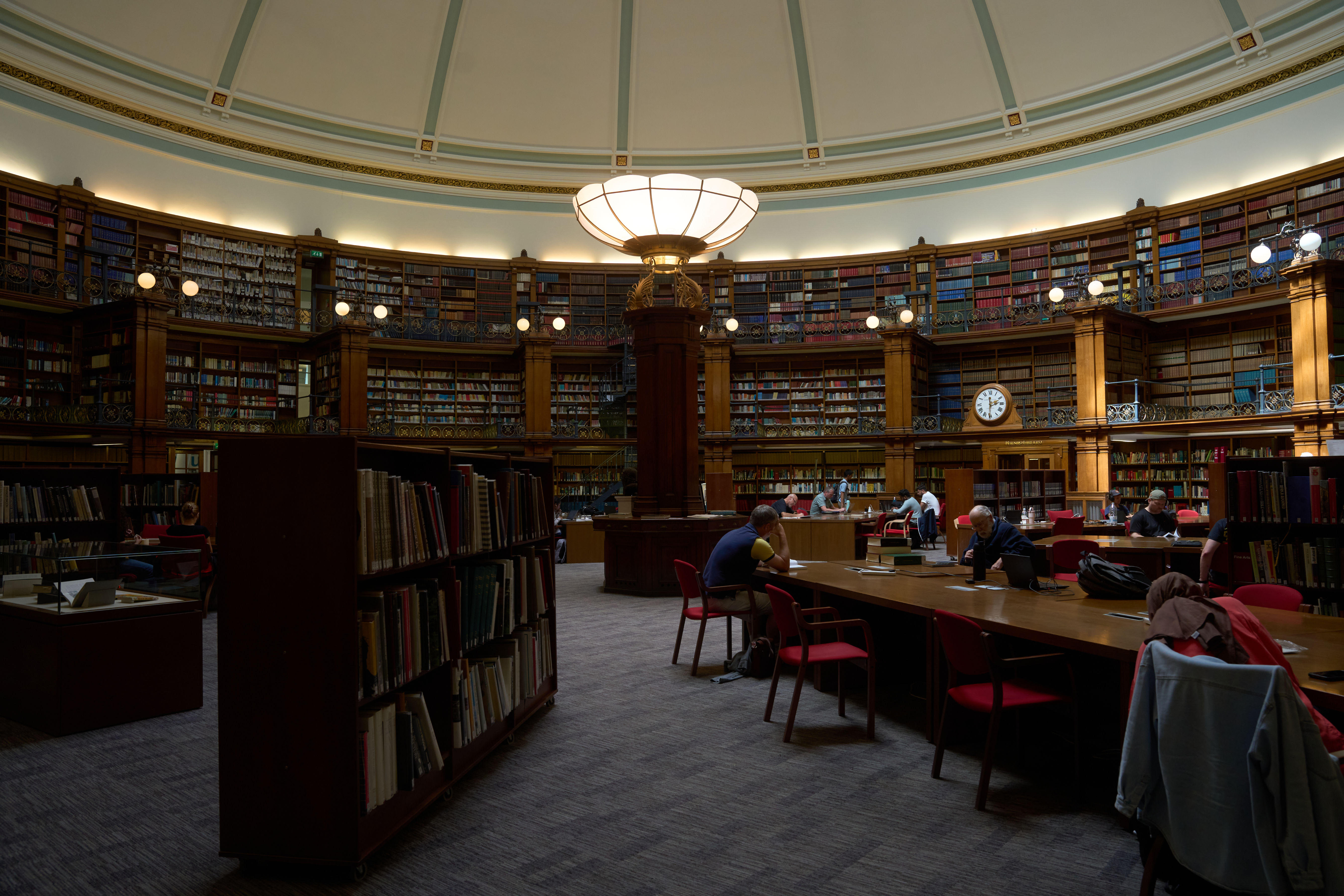
My exposure philosophy is not ETTR; it is adaptive to requirement. If the information content of the highlights is salient, I use an exposure that protects them over the recoverable blacks, as black content is often but not always less salient, provided the ISO is manageable. In terms of detail, for indoor scenes I will break my f rule if the ISO pushes past 1200 or so at neutral exposure, on this setup, as lowering the f a couple of stops or so, depending on a reasonably distant hyperfocal distance, as seen in the library shot, will actually yield greater detail overall, shutter speed being equal. I often float ISO up to 640.
Even given ideal conditions, I do not use ETTR. Optimal math doesn’t automatically tutor optimal aesthetics. RAW profiles map colours through non-linear LUTs calibrated for typical midtone values; overexposing pushes those values into different highlight-handling algorithms that scale down unpredictably. Combined with the loss of micro-contrast caused by pulling highlights into the midtone display range, colours lose perceptual saturation and shift hue, even if raw linear chrominance ratios remain identical in the book.
My grading process begins in Capture One, my favoured RAW interpreter, using a small sharpening radius to target micro-edges right at the single-pixel/sub-pixel level. This counters the natural anti-aliasing filter or RAW demosaicing blur. Followed by the application of a low-to-baseline contrast and saturation base edit, plus local masking. This enables non-destructive volumetric negative sculpting at all stages.
The suite of looks I use has been whittled down to a select few hybrid negotiations of film emulation; blacks, highlight philosophy, specifically subtractive dye processes that enable colour density tied to luminance. This human perceptual approach lends itself naturally to colour enhancement via changes to luminance and contrast rather than forceful hue manipulation. The colours respect the luminance realism of the scene. These looks usually adjust the global curve top-end whites and black point to a middle-ground territory that I can later locally push or pull exactly as I want.
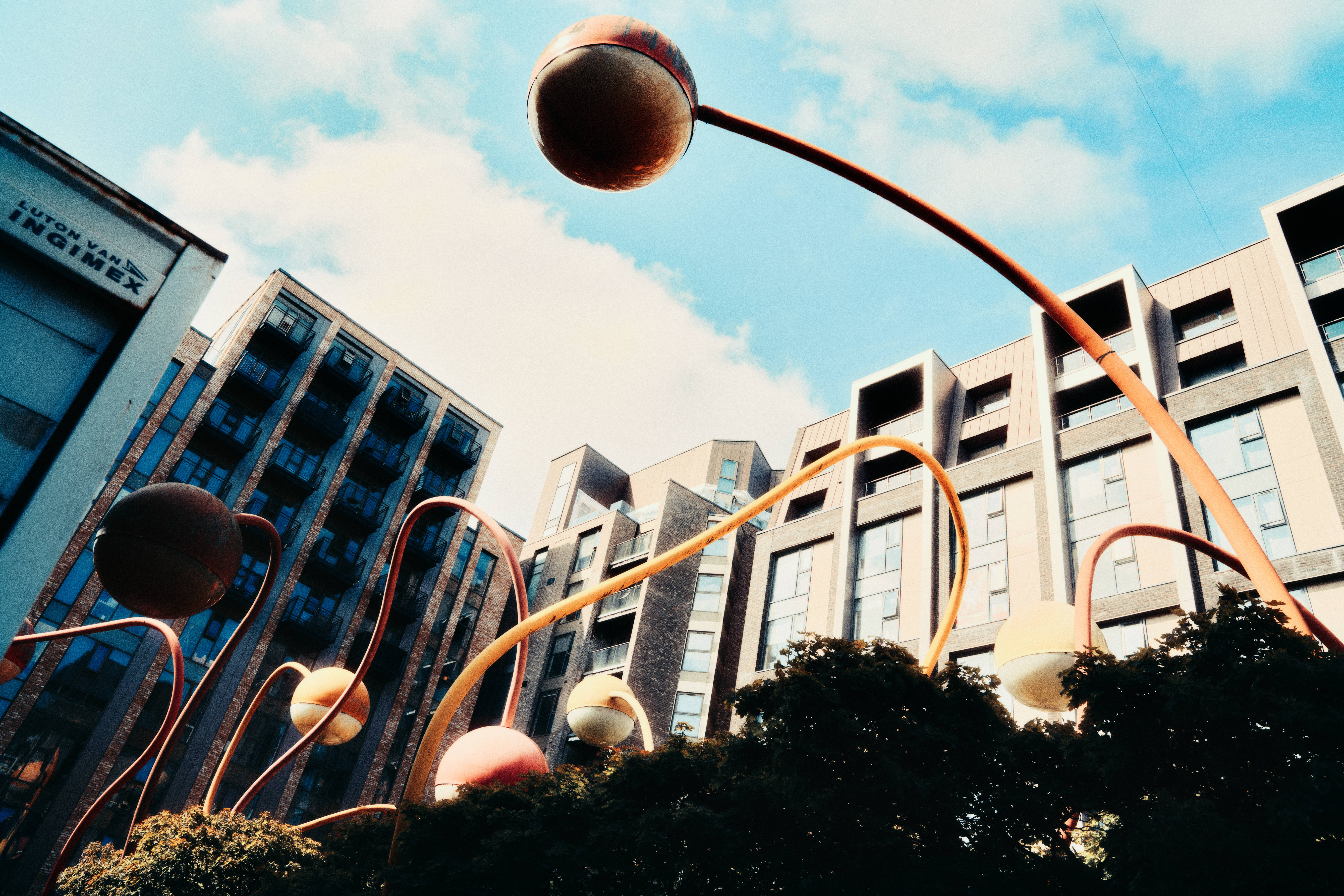
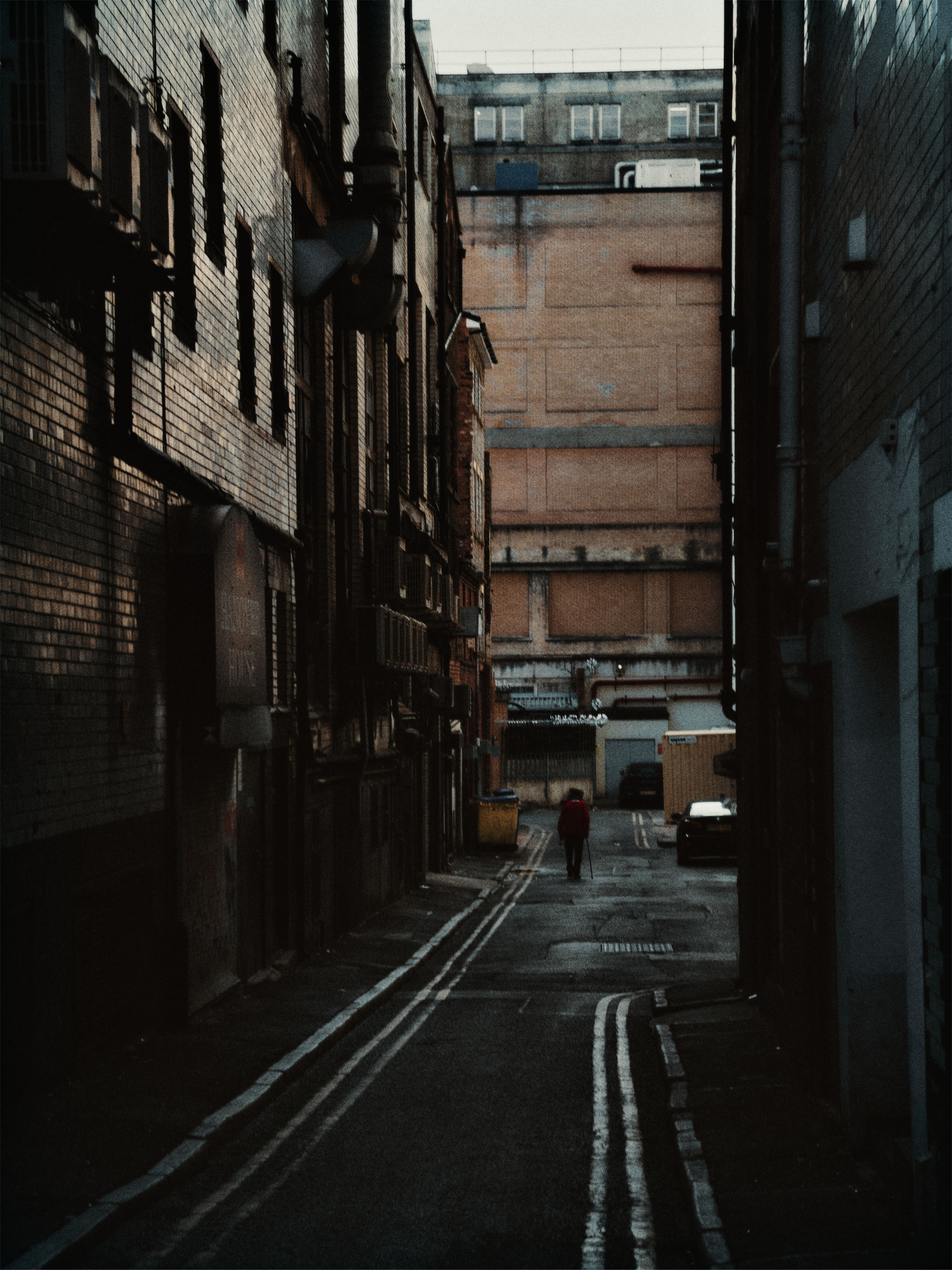
Cyan is rendered through a filmic density model and acts as an anchor for atmospheric weight. Cyan dyes absorb red light, creating density in warm channels. Because cyan carries a lower, richer luminance value than yellow or red, it doesn’t fight the light source, creating visual depth solely by colour contrast.
The next phase moves into a dedicated application for rendering true film colour emulation, halation and bloom. I apply custom configurations at various opacities. From there, the image passes through a toolset to model the exact black and luminance softness/ratio plus additional colour refinement. The file then enters a pass to model black density and acutance levels, refining edge contrast to balance spatial weight without introducing digital crispness.
Modern lenses use MTF (Modulation Transfer Function)—the lens’s ability to resolve tiny details with high contrast. They create hyper-accurate, sharp edges. In dense architectural scenes, selectively relaxing edge sharpness in the background mimics vintage optics, softening the harsh contrast along fine structural lines to open spatial depth and plumb architectural weight. In examples like the library scene, I utilise a custom digital workspace to selectively modulate microcontrast on the middle-distance bookshelves and railings selectively, retaining edge detail only where its contribution is desirable.
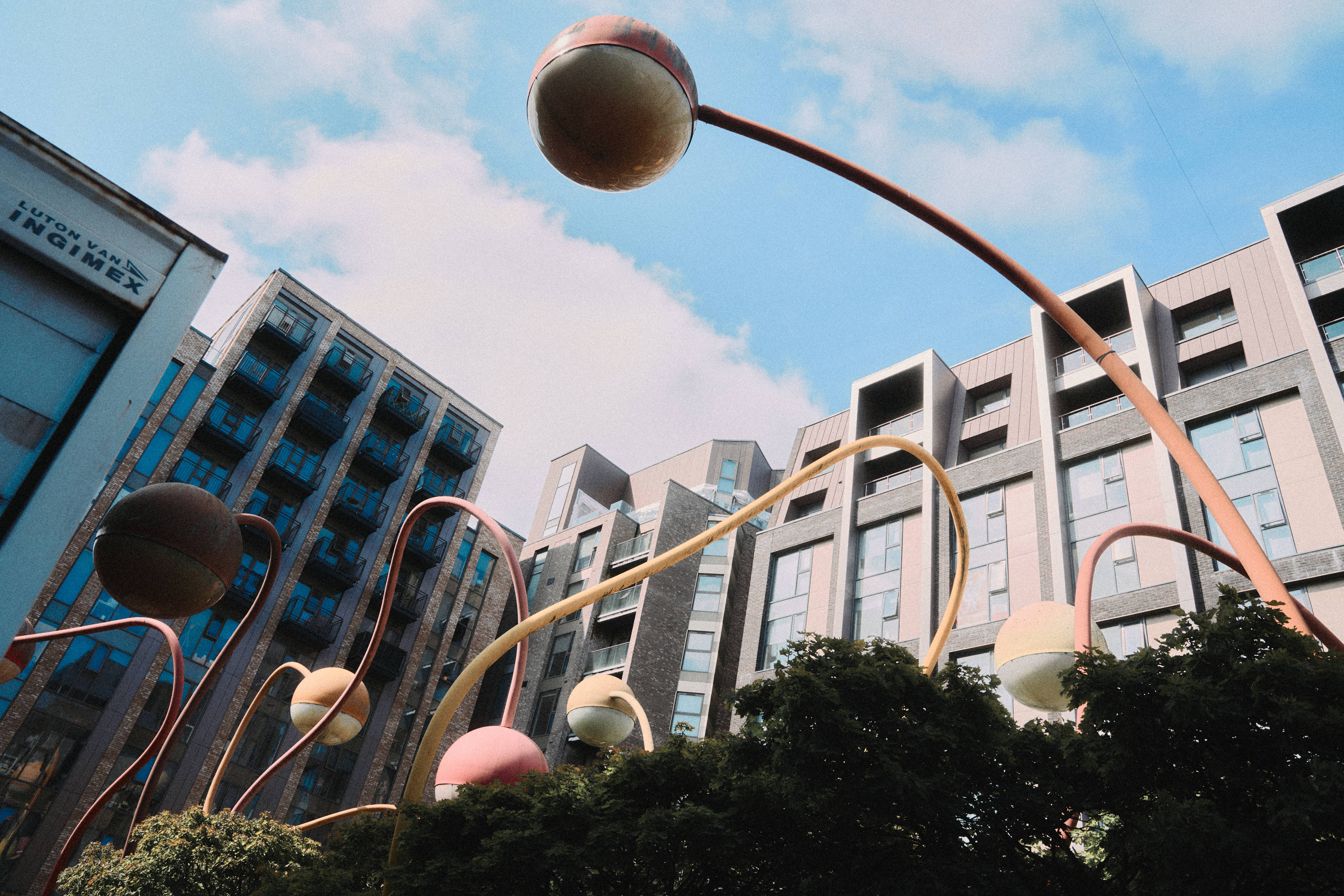
I manage non-linear black falloff through a custom shadow curve. Details are appropriately shrouded rather than flattened, eliminating the brittle tertiary noise that digital sensors often reveal in deep shadows, keeping focus anchored strictly to the intended composition.
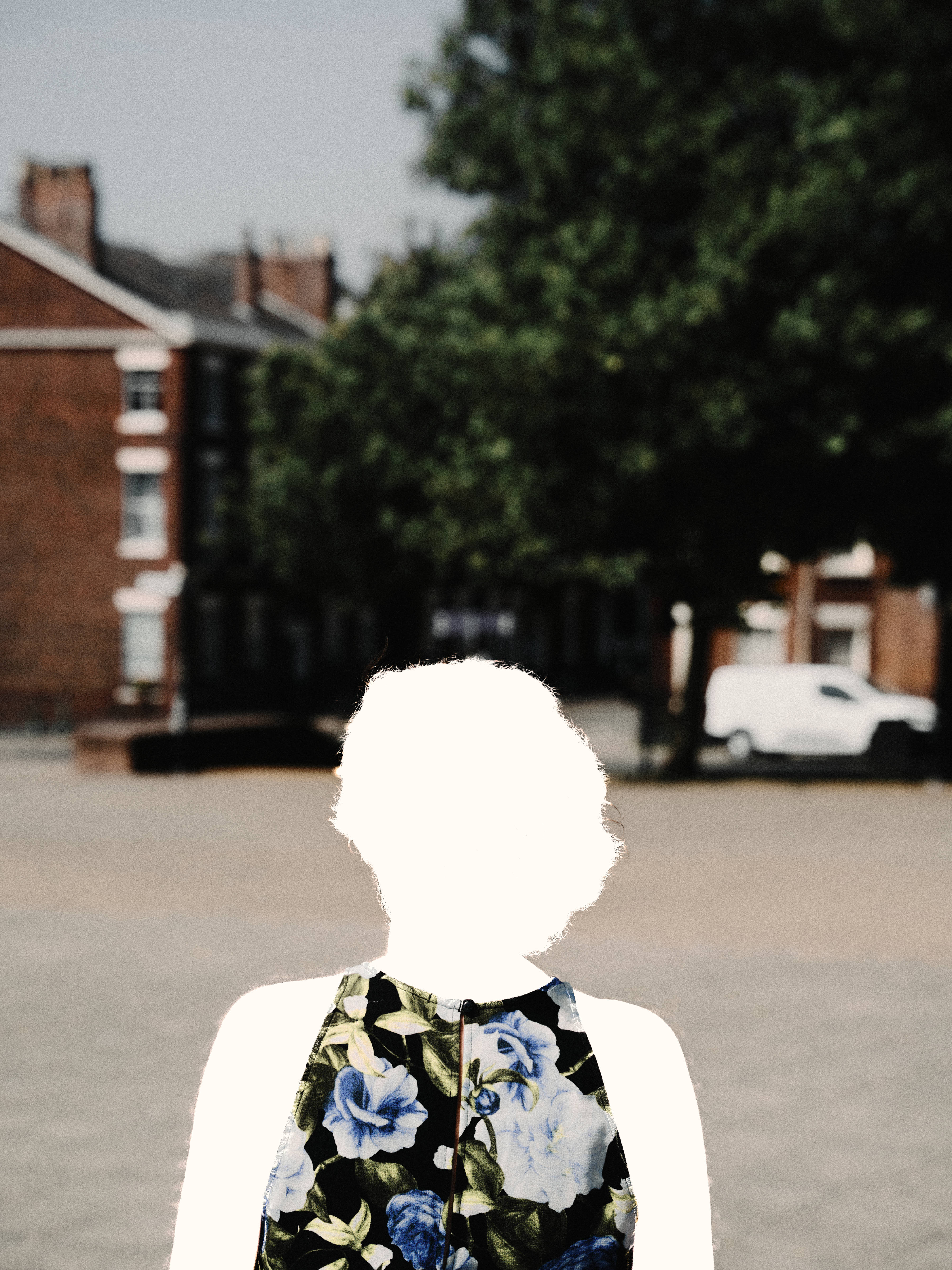
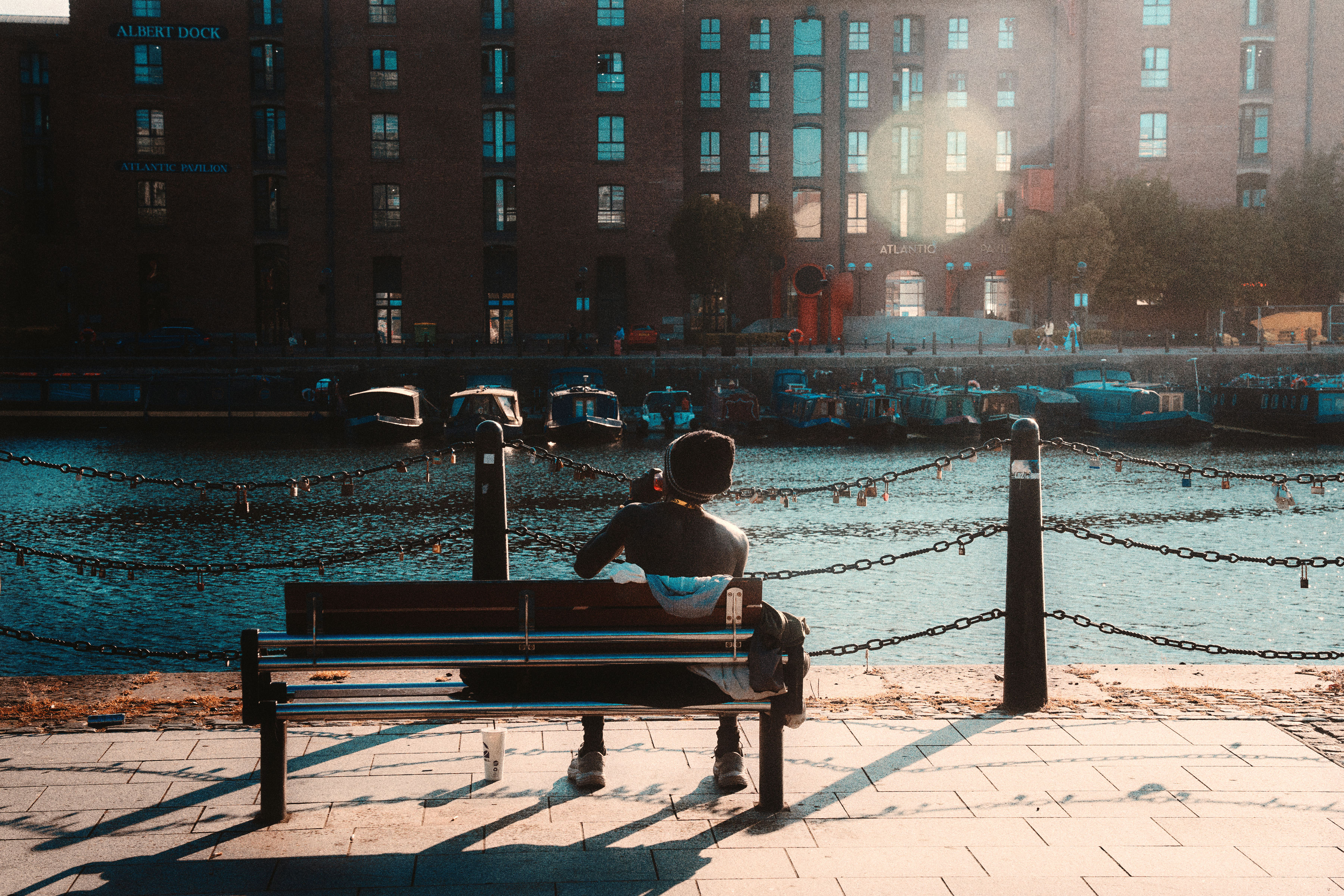
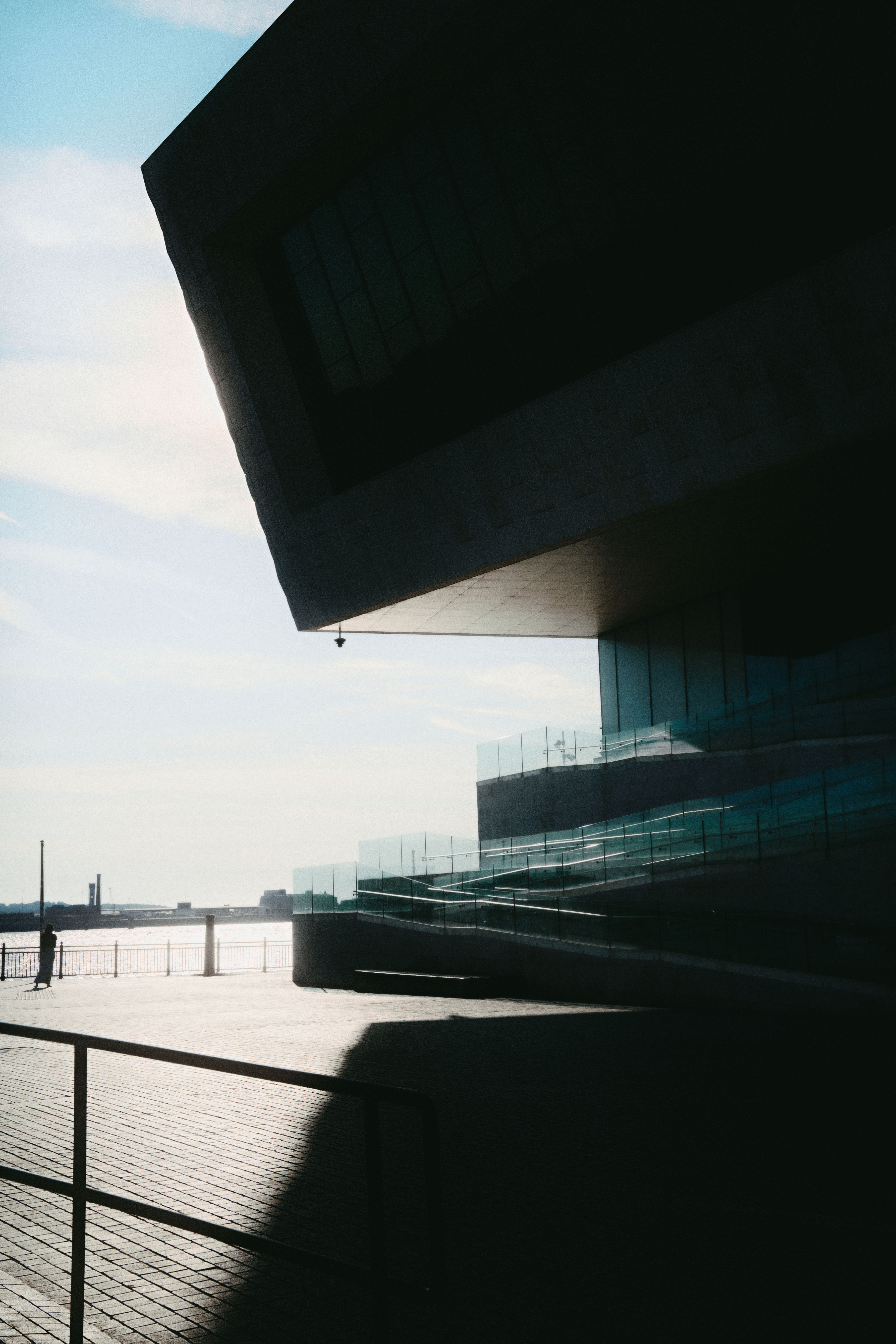
Finally, re-importing the baked TIFF back into Capture One unlocks a unique white balance response. Because intermediate tone curves are locked, Capture One processes the TIFF's fixed luminance through its own non-linear colour engine, allowing warmth and tint to be injected smoothly into haze and highlights. Atmospheric haze and sun flare (as in the bench scene) are often recorded by digital sensors as thin, washed-out magenta/pinkish noise when pushed. By pulling the tint down toward green and the warmth up, I fill in the luminance density of the light. Green carries the highest perceived luminosity to the human eye, so the light appears brighter and volumetric, while the actual brightness is identical. To prevent sharpness adjustments from affecting it, I frequently add a subtle film grain as the last step to scrub the plasticity of flat colour gradients and digital edge resolution.